 Pin It
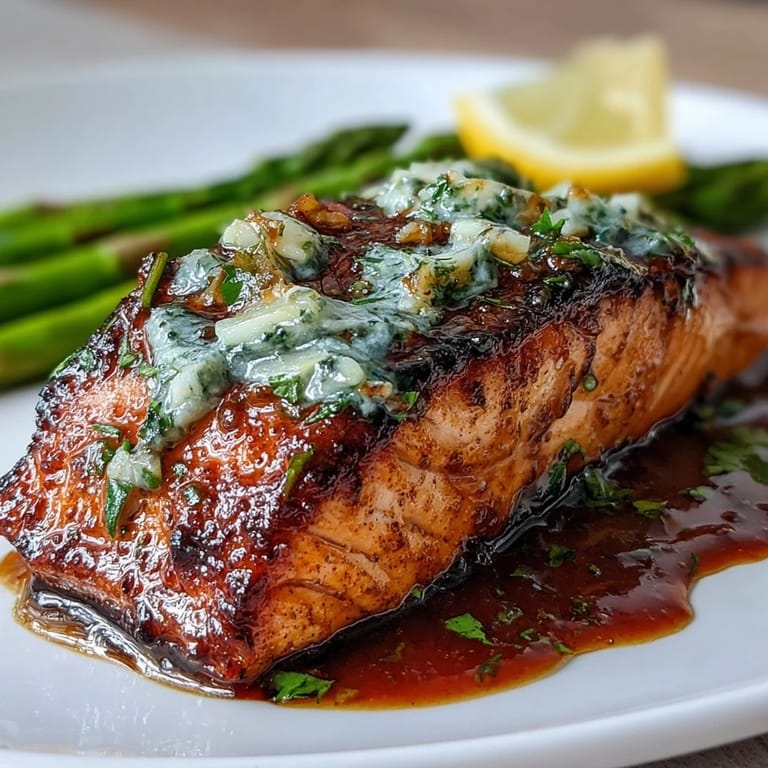
 There's something about the smell of garlic and butter hitting a hot pan that makes you feel like you've got your life together, even if you're eating dinner at 8 PM on a Tuesday. I discovered this salmon recipe during a week when I needed something that looked impressive but wouldn't tie me to the kitchen for hours. The first time I made it, my kitchen filled with this golden, garlicky steam the moment those fillets hit the oven, and I remember thinking, this is either going to be elegant or a complete disaster. Turns out, it was the kind of dish that feels fancy but asks almost nothing of you.
I made this for friends who were skeptical about my cooking skills, and watching them ask for seconds while the lemon-buttered asparagus was still steaming changed how I thought about weeknight dinners. Something shifted that night—I realized I didn't need complicated techniques or rare ingredients to feed people well. Just good salmon, simple vegetables, and enough garlic butter to make everyone happy.
Ingredients
- Salmon fillets (4, about 6 oz each): Look for fillets that are firm and smell like the ocean, not fishy—that's your first clue they're fresh. Skin-on keeps things from drying out, but skinless works too if that's what you prefer.
- Fresh asparagus (1 lb): Snap off those woody ends by bending gently until they break naturally, then you know exactly where the tender part starts. It sounds fussy but it takes 30 seconds and makes a real difference.
- Unsalted butter (4 tbsp): This is where the magic happens, so use real butter, not a substitute—the flavor depends on it.
- Garlic (3 cloves, minced): Mince it fine so it distributes evenly and doesn't overpower; you want it woven through, not in bold chunks.
- Fresh lemon juice (1 tbsp): Squeeze it fresh if you can, because those tiny bottles taste like they've been sitting in a warehouse since 2015.
- Dijon mustard (1 tsp): This adds a subtle tang that plays beautifully against the richness of the butter and the brightness of lemon.
- Salt and black pepper (1/2 tsp salt, 1/4 tsp pepper): Season generously but taste as you go—some salmon is saltier than others depending on where it came from.
- Red pepper flakes (1/4 tsp, optional): A whisper of heat wakes up the whole dish without making anyone cough.
- Fresh parsley (2 tbsp, optional garnish): It's green and pretty and adds almost nothing calorie-wise but somehow makes everything look intentional.
- Lemon (1, sliced into rounds): Roasting lemon rounds mellows them out and you can squeeze them onto your plate as you eat.
Tired of Takeout? 🥡
Get 10 meals you can make faster than delivery arrives. Seriously.
One email. No spam. Unsubscribe anytime.
Instructions
- Get your oven ready and set the stage:
- Preheat to 400°F and line a baking sheet with parchment or foil—this takes away the stress of cleanup and keeps everything from sticking. Think of this as putting on an apron before you start cooking, except for your pan.
- Arrange everything like you're composing a painting:
- Place salmon fillets in the center with room to breathe, then scatter asparagus around them in a single layer. Tuck lemon slices between everything so they roast right alongside and get soft and sweet.
- Build the garlic butter sauce:
- In a small bowl, whisk together melted butter, minced garlic, lemon juice, Dijon mustard, salt, pepper, and red pepper flakes if you're using it. The mustard dissolves into the butter and you get this smooth, glossy sauce that clings to everything.
- Coat everything evenly:
- Drizzle that golden butter mixture over the salmon and asparagus, using a spoon to make sure the garlic distributes fairly. Some pieces will get pools of it, others just a light coating, and that's exactly right.
- Let the oven do the work:
- Roast for 15 to 18 minutes until the salmon flakes when you press it gently with a fork and the asparagus tips are tender with just a little resistance. The time varies depending on thickness, so start checking at 15 minutes rather than walking away.
- Finish with a flourish:
- Pull everything out while it's still steaming, scatter parsley over the top if you have it, and serve immediately with extra lemon wedges on the side. The asparagus gets stringy if you let it sit too long, so this is a now-or-never moment.
 Pin It
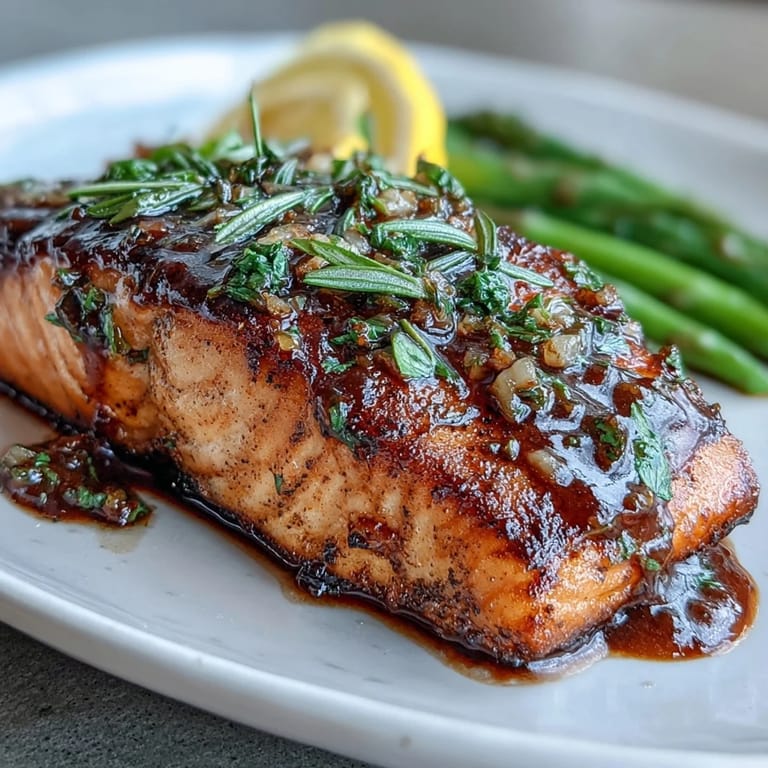
 There was an evening when my partner came home right as I was pulling this out of the oven, and the smell hit them so hard they actually stopped in the doorway. We sat down and ate while it was still steaming, and somehow the whole conversation was different—easier, warmer, the kind of quiet moment that happens when food is this simple and this good.
Why This Works So Well in Spring
Asparagus shows up at the farmers market in late March or early April looking like tiny green spears, and it tastes bright and grassy in a way that signals the end of heavy winter eating. Pairing it with salmon feels like nature knows what it's doing. The lemon and garlic echo what's already in the air—that sense of everything coming back to life—and somehow that makes the dish feel seasonal without trying too hard.
Making It Feel Restaurant-Quality at Home
The secret isn't technique or rare ingredients; it's paying attention to details like drying the salmon skin, arranging things with intention on the sheet, and not opening the oven door to peek. When you let something roast undisturbed, it builds flavor and color in ways that fussing never achieves. I learned this by doing it wrong a dozen times—lifting that door, moving things around, second-guessing myself—before I realized that restraint is a skill too.
Ways to Adapt It Without Losing the Soul
This recipe has a strong enough foundation that it can handle experimentation. Swap asparagus for green beans or broccolini, add a sprig of fresh thyme or rosemary to the butter, or finish with a drizzle of good olive oil if you're feeling it. The core—salmon, garlic, butter, lemon—stays solid no matter what you change, which means you can make it your own without fear.
- A handful of capers scattered over everything adds salt and brine in the best way.
- If you have fresh dill, use it instead of parsley and suddenly you're in a Scandinavian kitchen.
- Serve it with crusty bread to soak up every last drop of that butter sauce, because nothing hurts more than leaving it behind.
 Pin It
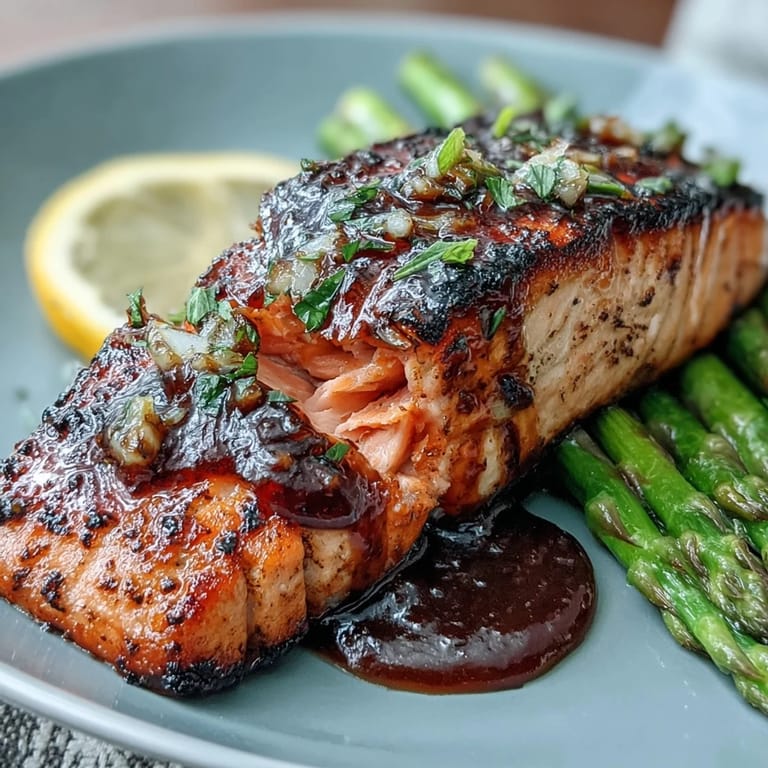
 This is the kind of dish that turns an ordinary evening into something worth remembering, without asking you to become a different person in the kitchen. Make it tonight.
Recipe FAQs
- → What type of salmon is best for this dish?
Both skin-on and skinless salmon fillets work well, but skin-on helps keep the fish moist during roasting.
- → Can I substitute asparagus with other vegetables?
Yes, green beans or broccolini make great alternatives that roast evenly alongside the salmon.
- → How do I know when the salmon is fully cooked?
The salmon flakes easily with a fork and has an opaque appearance at the center when done.
- → What is the purpose of Dijon mustard in the sauce?
Dijon adds a subtle tang and depth of flavor to balance the richness of the butter and garlic.
- → Can this dish be prepared ahead of time?
For best texture and freshness, it’s recommended to prepare and roast just before serving.
- → Is this dish suitable for gluten-free diets?
Yes, the ingredients used are naturally gluten-free, making it suitable for gluten-sensitive individuals.