 Pin It
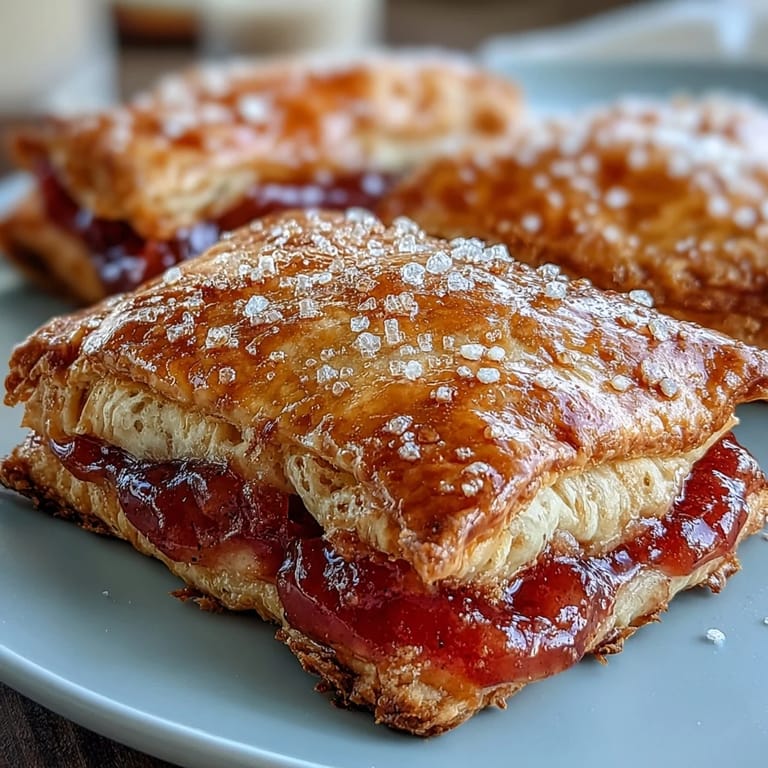
 My tía Rosa kept a tin of guava paste in her pantry year-round, and I watched her fold it into cream cheese during those quiet morning hours when the kitchen still felt like it belonged only to us. She'd work with such ease, as if her hands knew exactly how much pressure the pastry could take before it would tear. One Saturday, she finally let me try, and I burned my first batch while distracted by her stories about making these in Havana decades ago. But when I pulled that second batch from the oven—golden and puffed like little pillows—I understood why she kept coming back to this recipe.
I made a double batch for my neighbor's birthday breakfast, and watching her face when she bit into one—that little moment of surprise when she realized they were homemade—made me understand why my tía guarded this recipe like a treasure. She came back three days later asking if I could teach her, and now we make them together every few months, usually while talking about what's happening in our lives.
Ingredients
- Puff pastry sheets (400 g, about 1 package): Thaw them completely before working—cold pastry fights you, but room temperature pastry becomes your best friend, puffing up beautifully and turning golden without effort.
- Guava paste (150 g): Slice it thin rather than dolloping thick chunks; thin slices distribute the flavor evenly and prevent the pastries from becoming too heavy in the center.
- Cream cheese (100 g, softened): Let it sit on the counter for 20 minutes so it spreads smoothly without tearing the delicate pastry underneath.
- Egg (1, beaten for egg wash): This creates that gorgeous mahogany color and helps the sugar stick if you're using it.
- Granulated sugar (1 tbsp, optional): A light sprinkle before baking adds a subtle crunch and catches the light beautifully.
Tired of Takeout? 🥡
Get 10 meals you can make faster than delivery arrives. Seriously.
One email. No spam. Unsubscribe anytime.
Instructions
- Get your space ready:
- Preheat your oven to 200°C (400°F) and line a baking sheet with parchment paper so nothing sticks and cleanup becomes almost painless.
- Roll and cut the pastry:
- Work the thawed sheets gently on a lightly floured surface, then cut them into 8 rectangles from each sheet—you'll have 16 total. A sharp knife makes cleaner cuts than a dull one, which matters more than you'd think.
- Layer the first base:
- Place 8 rectangles on your prepared baking sheet, leaving a little space between them so the heat can circulate and they puff evenly.
- Fill with intention:
- On each rectangle, arrange one thin slice of guava paste and about a tablespoon of softened cream cheese, staying a half-inch away from the edges so the pastry can seal properly.
- Create the seal:
- Brush water along the edges of each filled rectangle, then top with another pastry rectangle and press down gently around the perimeter. You're not trying to crush them, just encouraging the layers to stay together.
- Add the crimp and score:
- Use a fork to crimp those edges—it's both functional and gives them a rustic finish. A light knife score across the top creates steam vents and looks intentional.
- Egg wash and optional sparkle:
- Brush the beaten egg over each pastry, then sprinkle sugar if you want that little glimmer and texture when they come out of the oven.
- Bake until golden:
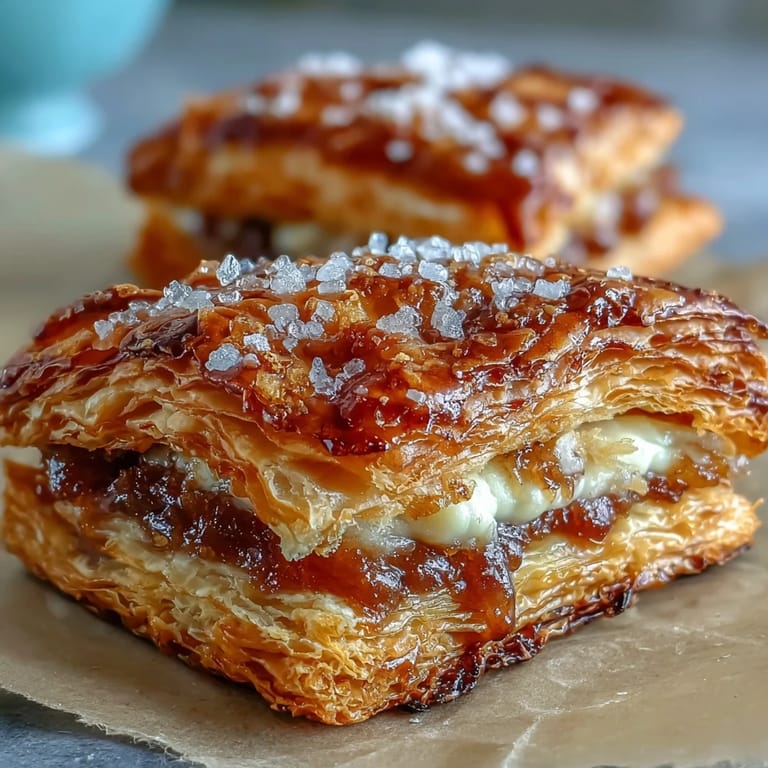
- Bake for 18 to 20 minutes, watching for that moment when they've puffed and turned a deep golden brown—not pale, not dark, just right in that sweet spot where the pastry is crispy but the inside is still tender.
- Rest before serving:
- Let them cool for just a few minutes so the filling sets slightly; they're best when still warm enough to taste the contrast between hot pastry and cool, creamy filling.
 Pin It
 There's something magical about watching someone take that first bite—the way the pastry shatters under their teeth and releases that buttery aroma, then the sweetness of the guava hits next, followed by the cool, tangy cheese. That moment feels like sharing a small piece of someone's kitchen history.
Timing and Storage
Make these in the morning and they'll still taste fresh in the afternoon; I've also frozen unbaked pastelitos and baked them directly from frozen, adding just 5 extra minutes to the bake time. Room temperature storage in an airtight container keeps them good for two days, though they rarely last that long in my house.
Flavor Variations Worth Trying
Once you've mastered the basic version, the filling options become endless—I've experimented with quince paste when guava wasn't available, and my neighbor swears by adding a tiny pinch of cinnamon to the cream cheese. The structure stays the same, so you're just playing with what goes inside, which makes it easy to adapt to what you have or what you're craving.
Why This Works as Both Breakfast and Dessert
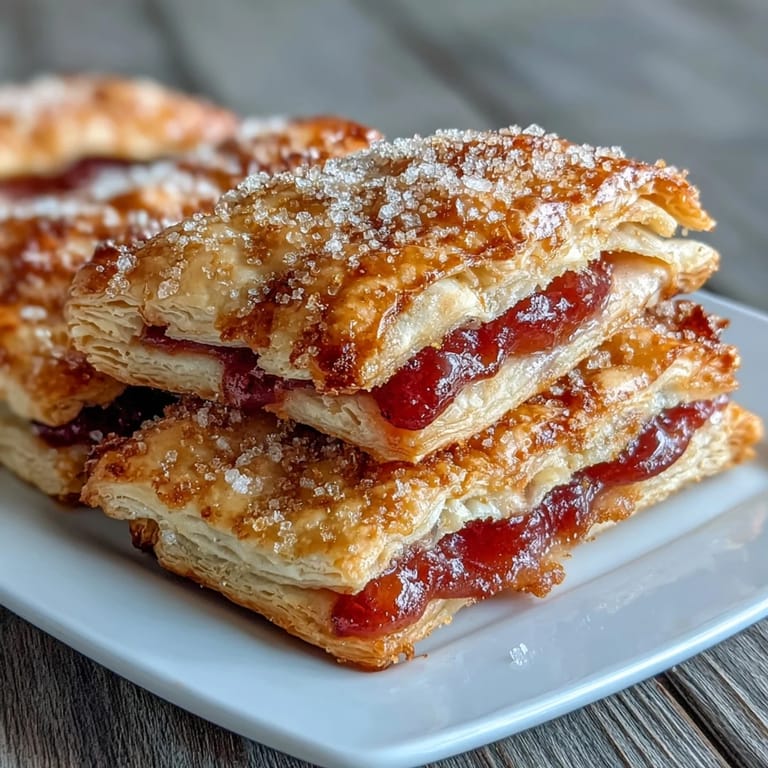
The beauty of these pastelitos is they don't feel heavy even though they're rich, so I've served them at breakfast with café con leche and felt perfectly fine, and I've also brought them to dessert potlucks where they disappeared faster than expected. The balance between sweet, buttery, and creamy works at any time of day.
- Pair them with strong Cuban coffee in the morning for that classic combination that makes ordinary Tuesdays feel special.
- At room temperature with a dusting of powdered sugar, they become an elegant dessert that looks more complicated than it actually is.
- Make a double batch and freeze half—your future self will be grateful when you need a homemade treat with minimal effort.
 Pin It
 These little pastries taught me that sometimes the most meaningful food comes from simple techniques repeated with intention. Every time I make them, I'm not just baking—I'm continuing a conversation that started in my tía's kitchen years ago.
Recipe FAQs
- → What are pastelitos?
Pastelitos are traditional Cuban pastries made with puff pastry and various fillings, most commonly guava and cheese. They're a staple in Cuban bakeries and homes, often enjoyed for breakfast or dessert.
- → Can I make these ahead of time?
Yes, you can assemble the pastelitos and refrigerate them for a few hours before baking. Alternatively, freeze unbaked pastelitos on a baking sheet, then transfer to a freezer bag. Bake from frozen, adding a few extra minutes to the cooking time.
- → What if I can't find guava paste?
Quince paste (membrillo) makes an excellent substitute with similar texture and sweetness. You can also use thick fruit preserves like apricot or fig, though the flavor profile will differ from traditional guava.
- → How do I know when they're done?
The pastelitos are ready when they're deep golden brown and puffed up considerably. You should see visible flaky layers on the edges. The filling will be hot and bubbling slightly through any steam vents you created.
- → Should I serve them warm or at room temperature?
Pastelitos are delicious both warm from the oven and at room temperature. Warm pastries have melt-in-your-mouth flaky layers, while room temperature pastries offer a firmer texture. Both pair perfectly with strong Cuban coffee.
- → Can I use homemade puff pastry?
Absolutely! While store-bought puff pastry is convenient, homemade pastry will yield exceptional results. Just ensure your dough is well-chilled and rolled evenly to about 1/8 inch thickness for best puffing during baking.