 Pin It
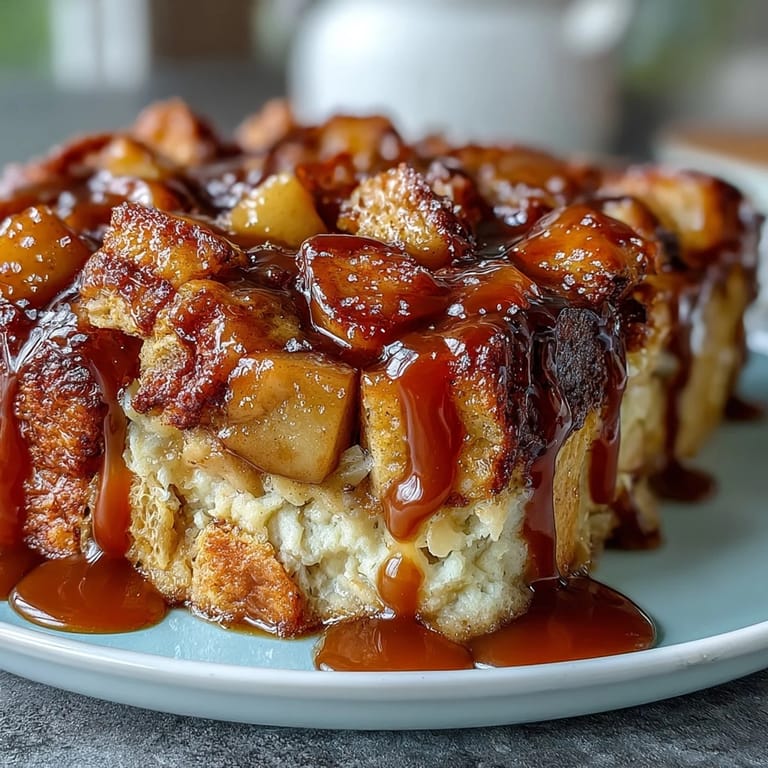
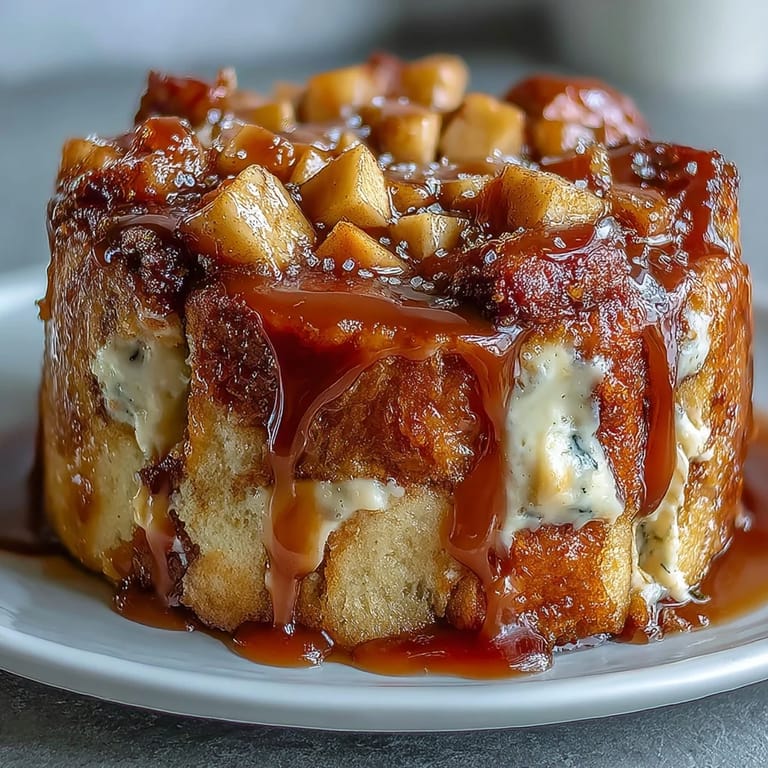
 My kitchen smelled like caramel and cinnamon for three days straight after I first made this, and honestly, I wasn't mad about it. I'd been craving something that felt fancy but didn't require the fussy precision of traditional cheesecake, and somehow this bread pudding hit every mark. The way the cream cheese dollops melted into pockets throughout the custard, creating these little moments of richness with each spoonful, felt like discovering a secret shortcut that nobody told me existed.
I brought this to a small dinner party last October and watched my friends go completely silent after their first bite. Someone asked if I'd made it from scratch, and when I said yes, the look of surprise was everything. That's the moment I knew this recipe was worth keeping close, because it's the kind of dish that makes you look like you know something everyone else doesn't.
Ingredients
- Brioche or challah bread: Day-old bread works best because it's already slightly stale and will absorb the custard without falling apart. If you're buying fresh, leave it out overnight or give it a gentle toast to firm it up slightly.
- Apples: Granny Smith brings tartness that cuts through the sweetness, while Honeycrisp adds a subtle honeyed note. Don't skip peeling and coring—the texture of cooked apple skin can throw off the whole experience.
- Cream cheese: Softening it matters more than you'd think. Cold cream cheese won't blend smoothly and you'll end up with lumps hiding in the pudding.
- Caramel sauce: Homemade tastes better but honestly, a good store-bought one saves time and still delivers. Just avoid anything that's more candy than caramel.
- Eggs: Room temperature eggs blend more evenly into the custard and create a silkier texture than cold ones straight from the fridge.
- Whole milk and heavy cream: The milk keeps things from being too rich, while the cream gives that luxurious mouthfeel. Don't try to swap this ratio; it's been tested.
- Spices: Cinnamon and nutmeg are your autumn anchors here. Freshly ground nutmeg makes a noticeable difference if you have it.
- Brown sugar: It brings a molasses depth to the custard that granulated sugar just can't match.
Tired of Takeout? 🥡
Get 10 meals you can make faster than delivery arrives. Seriously.
One email. No spam. Unsubscribe anytime.
Instructions
- Get your station ready:
- Preheat the oven to 350°F and grease your baking dish thoroughly. This is the moment to get organized because once you start layering, you want to move smoothly.
- Build the foundation:
- Scatter bread cubes and diced apples across the bottom of the dish in an even layer. Try not to pack them too tightly—you want the custard to weave through rather than sit on top.
- Make the cream cheese magic:
- Beat softened cream cheese with sugar until it's completely smooth, then add caramel sauce and vanilla. The mixture should look like sweetened, caramel-swirled clouds.
- Dollop and distribute:
- Drop spoonfuls of the cream cheese mixture over the bread and apples, spacing them out so every bite has a chance to hit one. Resist the urge to spread it all over; the pockets are what make this special.
- Blend the custard base:
- Whisk eggs, milk, cream, brown sugar, and spices together until the mixture is completely unified and the sugar has mostly dissolved. Take your time here—lumpy custard creates uneven cooking.
- Pour and soak:
- Pour the custard evenly over everything and gently press down on the bread so it starts absorbing the liquid. It won't look fully soaked yet, and that's fine.
- Top with butter and sugar:
- Mix melted butter with brown sugar and drizzle it across the top. This creates a caramelized crust as it bakes.
- The two-stage bake:
- Cover with foil and bake for 30 minutes to keep things moist, then uncover and bake another 20 minutes until the top is golden and the center barely jiggles when you shake the pan. The middle should feel set but still have a tiny bit of give.
- Rest and finish:
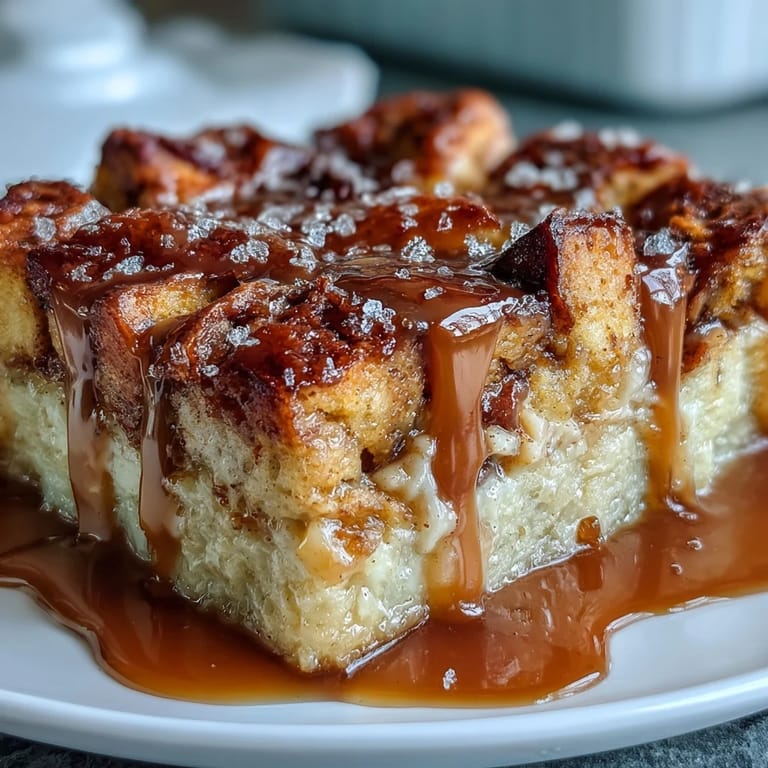
- Let it cool for 10 minutes—this stops the carryover cooking and lets everything set just enough to serve without falling apart. Drizzle with extra caramel before serving if you want to be extra about it.
 Pin It
 There's something about serving this warm, with the caramel still slightly soft and the bread tender but structured, that transforms a regular Tuesday night into something worth remembering. It's the kind of dessert that makes people ask for the recipe, then admit halfway through that they probably won't make it themselves, which somehow makes you feel even better about having it.
The Bread Pudding Advantage
Bread pudding gets overlooked because people think of it as the humble option, but this version proves that perception wrong. The technique of layering caramel cream cheese with bread and custard creates depth that a regular pudding can't touch. Each forkful tastes different depending on whether you hit a pocket of cream cheese or mostly custardy bread, and that variation is what keeps people coming back for seconds.
Apples and Autumn Timing
This dish hits its stride when apples are at their peak, usually from late August through November. Fresh, crisp apples make a noticeable difference in both texture and brightness. The tartness of a good Granny Smith is crucial because it prevents the dessert from becoming one-note sweet, and the apple chunks soften just enough during baking to feel like part of the pudding rather than separate inclusions.
Serving and Storage Ideas
Warm bread pudding with vanilla ice cream melting on top is the ideal scenario, but leftovers are genuinely good the next day at room temperature or gently reheated. The custard sets more as it cools, making it sliceable rather than spoonable, which some people actually prefer. You can make this up to eight hours ahead, cover it, and bake it when guests are almost at your door.
- A dollop of whipped cream or extra caramel sauce before serving elevates even the plainest bowl into something special.
- If you're adding nuts, toast them first and sprinkle them on just before baking so they stay crispy.
- This feeds eight generously, but the portions are rich enough that you could stretch it to ten if you're doing a larger dinner.
 Pin It
 This bread pudding has become my answer to the question of what to bring when I want to impress but also want to enjoy the gathering instead of being stuck in the kitchen. It's proof that the best desserts don't need to be complicated—they just need to be thoughtful.
Recipe FAQs
- → What type of bread works best for this dessert?
Brioche or challah are ideal choices due to their rich, eggy texture and ability to absorb custard without becoming mushy. Day-old bread works best as it holds its structure during baking while soaking up the creamy custard mixture.
- → Can I prepare this ahead of time?
Yes! Assemble the entire dish the night before and refrigerate overnight. The extended soaking time actually improves the texture. Bring to room temperature for 30 minutes before baking, adding a few extra minutes if needed.
- → How do I know when the bread pudding is done?
The pudding is ready when the top is golden brown, the center is puffed and set (no longer jiggly), and a knife inserted near the center comes out clean. The custard should be fully absorbed and the edges slightly crispy.
- → Can I substitute the apples?
Granny Smith and Honeycrisp apples provide perfect tartness and texture, but you can use other firm varieties like Braeburn or Jonagold. Avoid softer apples like Red Delicious as they may become too mushy during baking.
- → What's the best way to serve this?
Serve warm for the ultimate comfort experience, ideally within an hour of baking. Top with additional warm caramel sauce, a scoop of vanilla ice cream, or freshly whipped cream. The contrast between warm pudding and cold toppings is exceptional.
- → Can I make this gluten-free?
Yes, substitute the brioche or challah with a high-quality gluten-free bread that has a similar density and texture. The custard and other ingredients are naturally gluten-free, making this an easy adaptation.