 Pin It
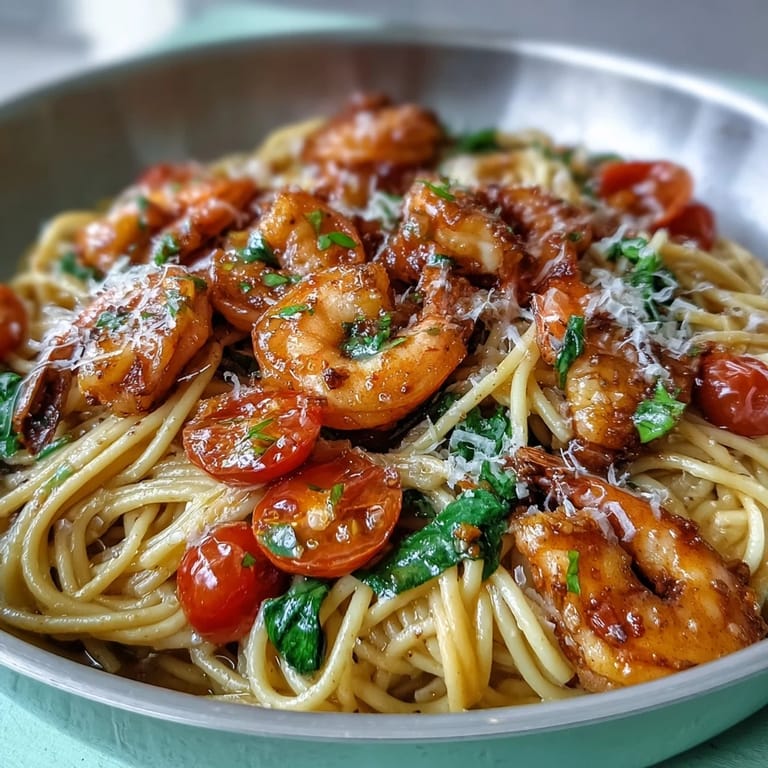
 There's something magical about the way garlic hits hot oil, that instant sizzle that seems to announce dinner is happening right now. I discovered this one-pot shrimp pasta on a Thursday evening when I had twenty minutes and a fridge full of spring vegetables demanding attention. The beauty of it is how everything cooks together in one vessel, the pasta absorbing all that garlicky, lemony broth while the shrimp turns pink and the vegetables soften into tender morsels. It's become my go-to when I want something that feels fancy but doesn't demand much from me.
I made this for my sister last spring when she visited, and I'll never forget how she kept circling back to the stove while I was cooking, drawn by the aroma alone. She watched the shrimp turn color and the pasta soften into the golden broth, and by the time we sat down, she was already asking if I'd teach her how to make it. That meal turned into a three-hour conversation over wine and lemon wedges, and now she texts me photos of her own versions.
Ingredients
- Large shrimp (1 lb, peeled and deveined): Buy them this way if your budget allows—it saves precious minutes and the quality matters when shrimp is the star.
- Angel hair pasta (12 oz): This thin pasta cooks quickly and absorbs the broth beautifully, though you could swap it for linguine if that's what you have.
- Cherry tomatoes (1 cup, halved): They burst slightly as they cook, releasing their sweetness into the broth and creating little pockets of flavor.
- Snap peas (1 cup, trimmed): These stay crisp-tender if you don't overcook them, adding a fresh crunch that balances the richness.
- Baby spinach (1 cup): Stir this in at the very end so it wilts gently from the residual heat rather than turning into mush.
- Zucchini (1 small, sliced): A mild vegetable that softens into the dish without overwhelming the other flavors.
- Fresh parsley and green onions: These bright herbs are your finishing touch, bringing life to every bite.
- Garlic (4 cloves, minced): Don't skip the mincing step—it distributes the flavor evenly throughout the broth instead of leaving big chewy pieces.
- Extra virgin olive oil (1/4 cup): This is your cooking base and carries all the flavor, so use something you actually like the taste of.
- Lemon zest and juice: The zest adds brightness and texture; the juice ties everything together with acidity.
- Red pepper flakes (1/2 tsp, optional): A gentle warmth that enhances without overpowering, unless heat is your thing and you want more.
- Dry white wine (1/2 cup) or vegetable broth: The wine adds complexity, but broth works just fine if you prefer to skip the alcohol.
- Broth (3 cups, low-sodium): This is your liquid gold—it becomes the sauce, so taste it before you buy to make sure you like it plain.
- Parmesan cheese (1/4 cup, grated) and salt and pepper: Finish with these to taste, adjusting until it feels right on your palate.
Tired of Takeout? 🥡
Get 10 meals you can make faster than delivery arrives. Seriously.
One email. No spam. Unsubscribe anytime.
Instructions
- Get your pan hot and fragrant:
- Pour olive oil into a large deep skillet or Dutch oven and let it heat over medium until you see it shimmer slightly. Add your minced garlic and red pepper flakes, letting them toast for about a minute until the smell fills your kitchen—that's your signal that the aromatics are ready.
- Soften the vegetables:
- Toss in the cherry tomatoes, snap peas, and zucchini slices, stirring them around for two to three minutes until they begin to soften at the edges. You want them to stay somewhat firm because they'll continue cooking in the broth.
- Build the sauce base:
- Pour in your white wine and let it bubble gently for a couple minutes, then add the broth along with the lemon zest and juice. Bring everything to a gentle boil, stirring occasionally to meld the flavors.
- Add the pasta:
- Drop the angel hair pasta into the boiling broth and stir it down so it's submerged. Cover the skillet and let it cook for three to four minutes, stirring once or twice, until the pasta is nearly tender but still has a tiny bit of resistance when you bite it.
- Cook the shrimp:
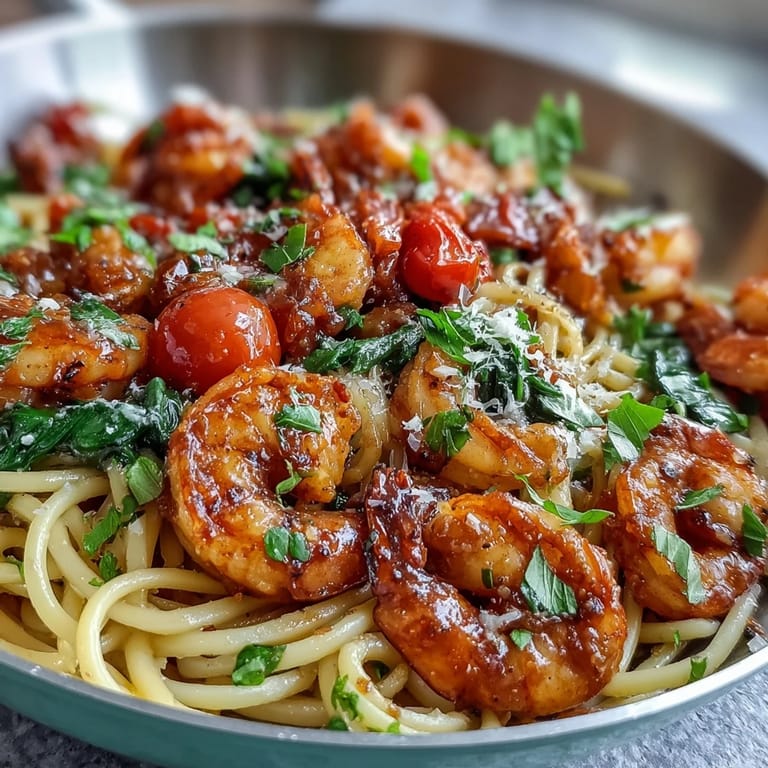
- Stir in the shrimp, spreading them evenly throughout the pot, then cover and cook for another two to three minutes. Watch for them to turn pink and opaque, which tells you they're done—overcooked shrimp gets rubbery, so don't walk away from this step.
- Finish with fresh herbs:
- Remove from heat and fold in the baby spinach, green onions, and parsley, letting the warm broth gently wilt the greens. Taste everything and season with salt and pepper until it sings.
- Serve right away:
- Divide among bowls and top with Parmesan cheese and extra lemon wedges if you're using them. Eat it while it's steaming and the pasta is still tender.
 Pin It
 What strikes me most about this dish is how it brought my usually quiet kitchen to life, with the sound of sizzling garlic and the visual of shrimp turning from gray to pink. There's a moment near the end when you remove the lid and the steam rises up, carrying all those lemony, garlicky scents straight into your face, and that moment alone is worth the effort.
Why This One-Pot Method Works So Well
Cooking everything in one vessel means the pasta absorbs all the flavors from the broth and the vegetables, rather than sitting in plain salted water. The starches released by the pasta actually thicken the broth slightly, creating a light sauce without any cream. This is why the dish tastes so cohesive and complete, almost like it was simmering for hours when really it's been less than thirty minutes total.
Making It Seasonal
Spring is when I make this exact version, but I've swapped in asparagus in early summer, added sun-dried tomatoes and fresh basil in mid-summer, and switched to heartier greens like kale as fall arrives. The structure stays the same—aromatic garlic, fresh vegetables, shrimp, and pasta—but the vegetables shift with what's available and what my mood is asking for. It's flexible enough to keep making all year long without getting boring.
Storage and Leftovers
This dish is best eaten immediately, while the pasta is at its tender best and the shrimp is still juicy. If you do have leftovers, store them in an airtight container in the refrigerator for up to two days, though the texture won't be quite the same—the pasta will have absorbed more liquid and softened further. Reheating is best done gently in a skillet with a splash of water or broth to restore some moisture, rather than in the microwave which can toughen the shrimp.
- Make this when you're cooking for people you want to impress but don't want to spend your whole evening in the kitchen.
- Pair it with a chilled white wine like Sauvignon Blanc or Pinot Grigio to echo the flavors in the dish itself.
- Keep extra lemon wedges on the table so everyone can squeeze and adjust the brightness to their taste.
 Pin It
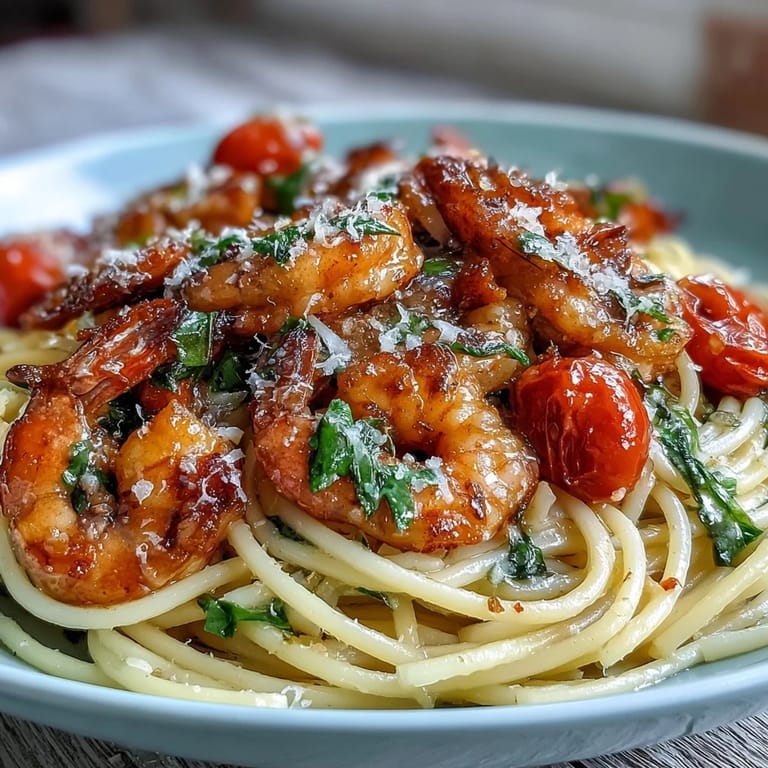
 This recipe became a staple in my weeknight rotation because it proves that simple, seasonal cooking doesn't have to feel rushed or taste like a compromise. It's the kind of dish that makes you feel like you actually put thought into dinner, even on nights when you barely had time to think at all.
Recipe FAQs
- → Can I use other types of pasta in this dish?
Yes, while angel hair pasta is recommended for its delicate texture, other thin pasta varieties like vermicelli or capellini can also work well.
- → How can I make this dish gluten-free?
Simply substitute the angel hair pasta with a gluten-free alternative to keep the flavor and texture intact.
- → What can I use instead of white wine?
Vegetable broth is a great non-alcoholic substitute that maintains the dish’s depth and complexity.
- → Is it possible to add more vegetables?
Absolutely—snap peas can be swapped or supplemented with asparagus, zucchini, or other fresh spring vegetables to your preference.
- → How do I know when the shrimp is perfectly cooked?
Shrimp should turn pink and opaque, with firm texture—usually after 2–3 minutes of cooking once added to the pan.
- → Can I prepare this in advance?
This dish is best served fresh to enjoy the tender pasta and succulent shrimp, though leftovers can be refrigerated and gently reheated.