 Pin It
 The first time I made peanut butter Easter eggs at home, the kitchen was alive with the scent of melting chocolate and peanut butter wafting through the air. I wasn&apost sure how homemade could rival the store-bought version, but curiosity (and an empty candy aisle) nudged me on. The chocolate chips snapped into the bowl and the butter made everything glossy, reminding me how simple ingredients flip ordinary moments into small celebrations. There was a calm in shaping the eggs—quiet, methodical, a little messy—until my fingers were sticky and the counter gleamed with sugar dust. Somehow, the most cheerful part came later, decorating them with sprinkles I&apost used since last Christmas.
One spring afternoon, my niece, impatient for treats and already smudged with chocolate, insisted on helping shape the eggs. We laughed over irregular egg shapes, and I still remember the proud grin on her face after she dropped one right into the melted chocolate. It was chaos, but the best kind—the kind that leaves chocolate fingerprints and giggles behind.
Ingredients
- Creamy peanut butter: Go for the smoothest jar you have for silkier filling; chewy peanut butter adds texture if you like surprise crunch.
- Unsalted butter: Let it soften fully, so the filling blends without streaks and stays velvety.
- Powdered sugar: Sift it for an even, lump-free bite; it thickens the filling just perfectly.
- Vanilla extract: A splash deepens the peanut richness and makes the whole kitchen smell like dessert.
- Salt: That quarter teaspoon creates balance—you&aposll notice if you skip it.
- Chocolate chips: Choose semisweet for true richness, but milk chocolate is classic nostalgia with extra sweetness.
- Coconut oil or vegetable shortening: Helps the chocolate shell stay smooth and glossy after chilling.
- Sprinkles or colored candy melts (optional): These little touches turn the eggs into playful showpieces, especially for kids.
Tired of Takeout? 🥡
Get 10 meals you can make faster than delivery arrives. Seriously.
One email. No spam. Unsubscribe anytime.
Instructions
- Mix the Filling:
- Grab your largest bowl and beat together the peanut butter, softened butter, vanilla, and salt until creamy and fragrant. The mixture should look smooth—almost like frosting—before you add sugar.
- Make the Dough:
- Start adding powdered sugar bit by bit, watching as the filling thickens and becomes easy to handle. When the dough holds shape, you&aposre ready to mold.
- Shape the Eggs:
- Scoop about two tablespoons per egg, pressing the dough into egg shapes with your palms. Lay them onto parchment—don&apost worry about perfection, every egg ends up with its own character.
- Chill:
- Freeze your eggs for half an hour. This little pause lets them firm up, making the next step far less sticky.
- Melt the Chocolate:
- Mix chocolate chips with coconut oil and microwave in 30-second bursts, stirring each time. When the chocolate is silky and smooth, you&aposre ready to dip.
- Dip & Coat:
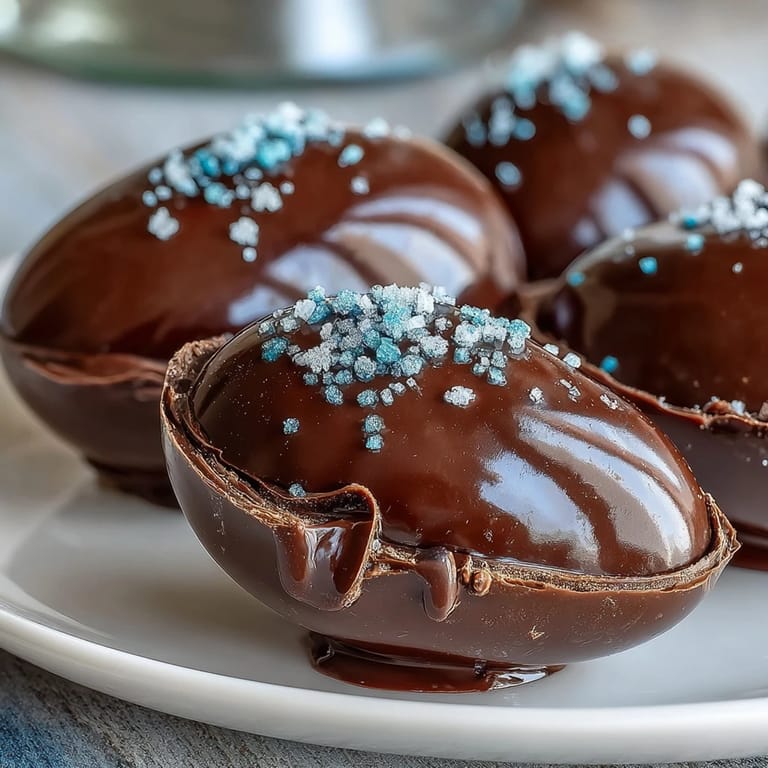
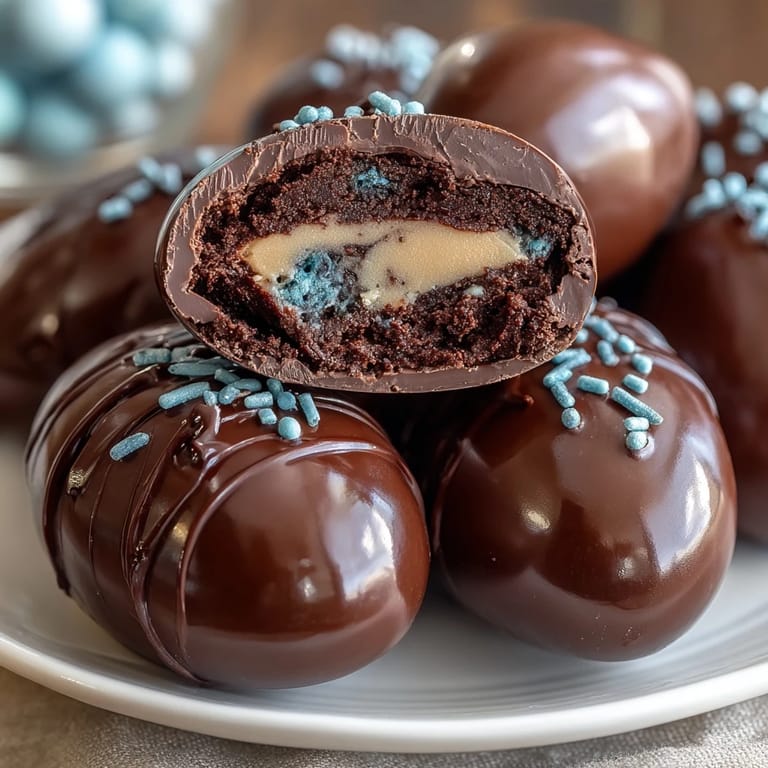
- Using a fork, dip each cold peanut butter egg into the chocolate, letting the extra drip away. Place them back on the tray quickly before the chocolate sets.
- Decorate:
- If you like, drizzle with colored candy melts or sprinkle festive candies while the chocolate is still tacky. The decoration sticks best before chilling.
- Set:
- Refrigerate your finished eggs for at least 15 minutes, watching the chocolate turn glossy and firm.
 Pin It
 It wasn't until a holiday brunch that these peanut butter eggs became the centerpiece—passing a tray around, everyone reaching for their favorite, and trading jokes about whose egg looked most lopsided. Suddenly, homemade treats felt like the heart of the gathering, a bright spot amid the chatter and clinking plates.
Why the Filling Is Special
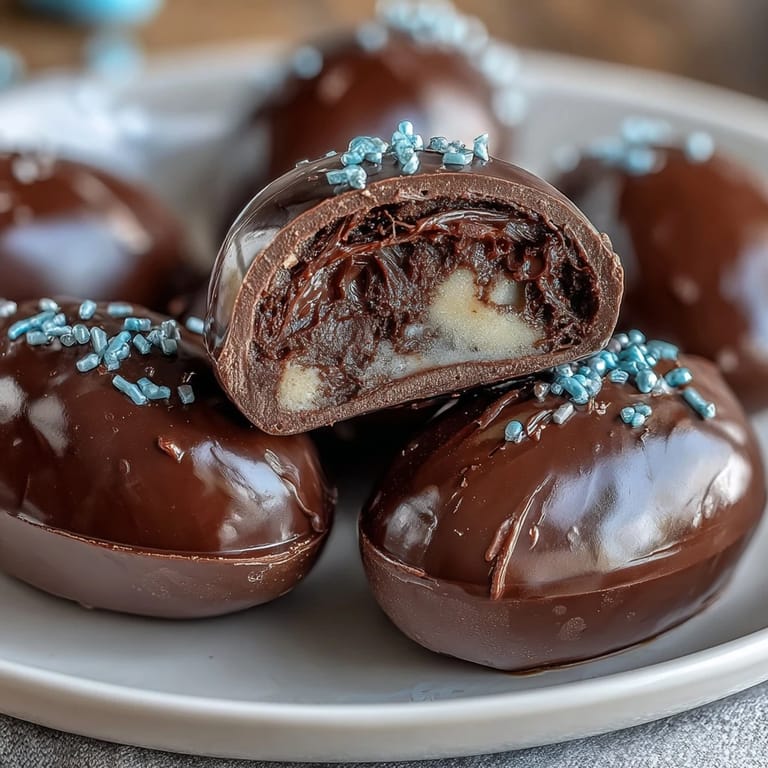
I once tried using natural peanut butter and ended up with a runnier filling—lesson learned: the commercial creamy kind gives the smoothest results, and cold butter is no substitute for softened. When the filling is whipped just right, it holds shape beautifully and melts on your tongue without gritty sugar bits.
Getting the Chocolate Just Right
I discovered that swirling a little coconut oil into the chocolate after microwaving gives the coating a gloss and prevents it from cracking later. Stir patiently and let the chocolate cool slightly before dipping—hot chocolate will melt the eggs too quickly, so a pause is your friend.
Success with Decorations (and Kids)
Decorating is more fun than fuss when you set sprinkles and colored melts in little bowls and let kids go wild—every egg ends up unique, and laughter always makes the mess worthwhile. Don't stress about precision, the best eggs are the ones with a story attached.
- If you forget to chill before decorating, just add an extra minute in the fridge for firmer eggs.
- Colored candy melts make drizzle lines pop, especially for spring festivities.
- When storing, stack with parchment paper between layers to prevent sticky mishaps.
 Pin It
 The delight of homemade peanut butter Easter eggs isn&apost just in their taste—it&aposs in the playful moments and shared stories that surround them. Enjoy every sweet bite, and don&apost be afraid to experiment with colors, shapes, or fillings.
Recipe FAQs
- → How do you shape the peanut butter eggs?
Use your hands to mold about two tablespoons of peanut butter filling into oval egg shapes, then freeze before coating.
- → Can I use a different chocolate for the coating?
Yes, semisweet, milk, dark, or white chocolate all work well for the outer layer—choose your favorite.
- → Are these suitable for vegetarians?
Yes, the ingredients meet vegetarian guidelines, provided your chocolate is vegetarian-friendly.
- → How should peanut butter eggs be stored?
Keep them refrigerated in a sealed container for up to two weeks to maintain freshness and texture.
- → Can I add decorations to the eggs?
Sprinkles or colored candy melts can be added before the chocolate sets for a festive touch.
- → What tool helps coat eggs in chocolate?
Use a fork to dip and lift the shaped eggs into melted chocolate, allowing excess to drain off.