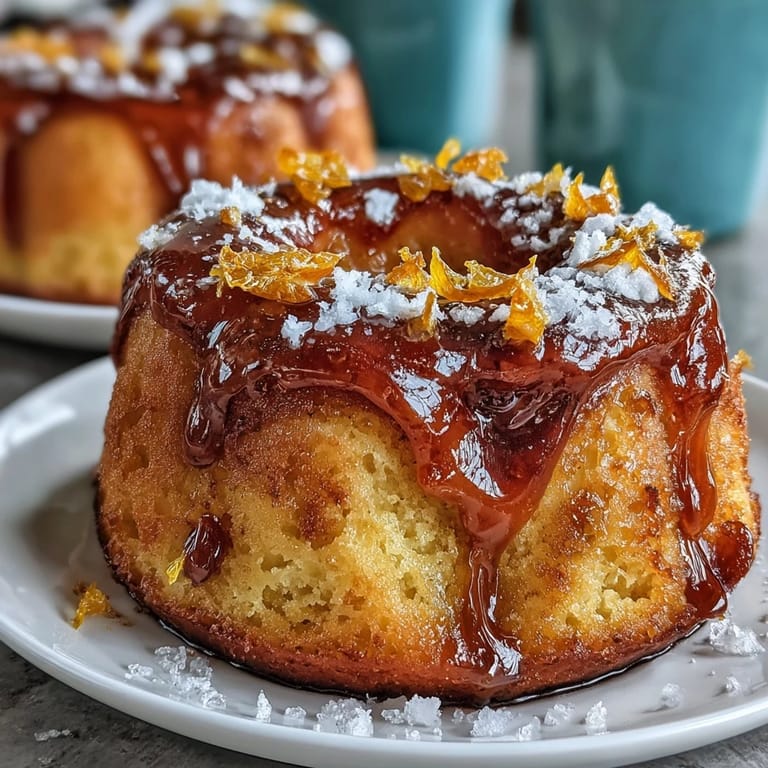
 Pin It
 There was nothing particularly planned the morning I stumbled upon this whole orange cake. My kitchen still faintly smelled of last night's coffee and, on a whim, I reached for an orange that looked far too bright to ignore. The process sounded almost reckless: toss the entire orange into the blender, peel and all. That hint of mischief made the resulting cake even more satisfying. Each time the blender roared, I waited for that cloud of citrus to rise up and fill the house, a sign that something extraordinary was happening with very little effort.
I remember bringing this cake to a quiet afternoon tea at my friend Leah’s place. We laughed at how little mess it made—just a blender and a single bowl—while the cake baked golden in the oven. Cutting wedges, the orange flecks caught the light, and even her skeptical brother asked for seconds. That moment, lingering over crumbs and sips of black tea, made me realize this recipe belonged in my regular rotation.
Ingredients
- Large seedless orange: Using the whole fruit, skin and all, makes the flavor bold—do scrub it well, and organic is best to avoid bitterness or wax.
- Eggs: They bring tenderness and structure, and using them at room temperature helps everything blend smoothly.
- Vegetable oil: Oil keeps the crumb incredibly moist for days; sunflower or canola are my picks for their neutral flavor.
- Vanilla extract: A dash enhances the orange and gives the cake a subtle, almost floral note.
- Granulated sugar: Sweetens the batter and balances the tart burst of citrus.
- All-purpose flour: The backbone of your cake—be sure to measure accurately for the perfect light texture.
- Baking powder: This gives your cake its rise and beautiful crumb; check yours isn't expired for best results.
- Salt: Even a small pinch makes the orange flavor pop and prevents dullness.
- Powdered sugar (optional): Dusting on top gives an elegant finish and a tiny extra pop of sweetness.
Tired of Takeout? 🥡
Get 10 meals you can make faster than delivery arrives. Seriously.
One email. No spam. Unsubscribe anytime.
Instructions
- Prep your pan:
- Turn the oven to 350°F and line your cake pan with parchment, gently pressing it into the edges so your cake releases like a charm.
- Orange blending magic:
- Drop the orange quarters, eggs, oil, and vanilla into your blender and whiz until the mix looks like orange cream—no stubborn bits allowed.
- Mix the dry ingredients:
- In a wide bowl, whisk together sugar, flour, baking powder, and salt until there are no little lumps left.
- Combine with care:
- Pour the bright orange mixture over your dry ingredients and fold gently until just blended—stop as soon as you can’t see any streaks, resisting all urges to keep stirring.
- Pile up the batter:
- Tip the batter into your prepared pan, smoothing the top with a spatula and enjoying the sunny color.
- Let it bake:
- Bake for 45 to 50 minutes; you’ll know it’s done when the house smells sweet and a toothpick comes out clean and maybe golden at the tip.
- The cooling ritual:
- After 10 minutes resting in the pan, tip the cake onto a wire rack—don’t rush, or it might tear—and let it settle until completely cool.
- Finishing touch:
- A gentle shower of powdered sugar is all you need before slicing; serve with whipped cream or just as it is.
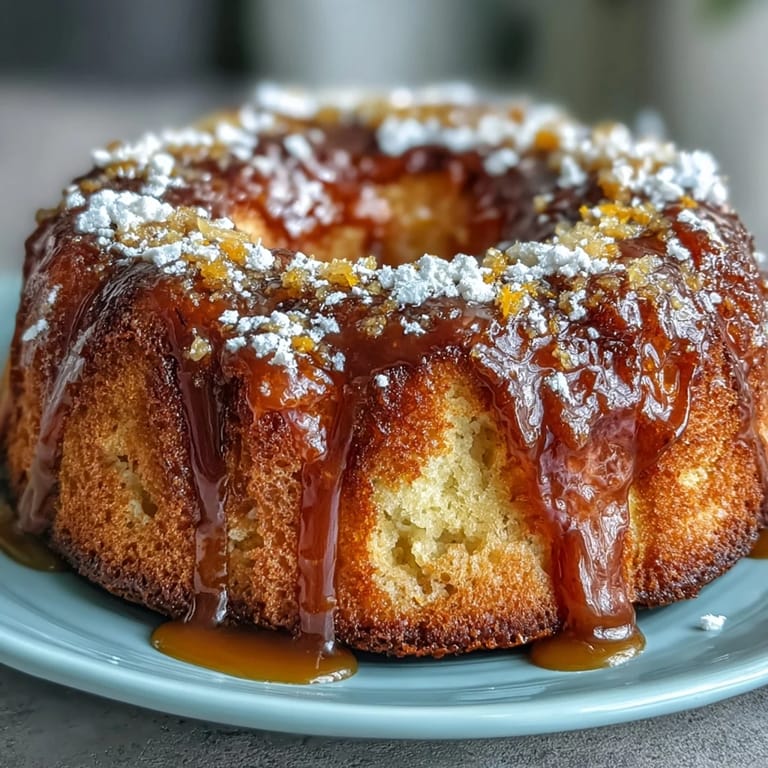 Pin It
 This cake was the centerpiece of an impromptu picnic that turned into an early evening gathering, hands reaching for slices as breezes teased the napkins and laughter mingled with citrus perfume. Even after the last crumb vanished, someone asked: what was that flavor? That question felt like the perfect compliment—simple ingredients somehow transformed into something unforgettable.
The Joy of Blending Everything
Blending a whole orange feels like a shortcut but also a small act of rebellion against fussy recipes. It instantly perfumes the kitchen, and I love the anticipation as the batter goes from bright chunks to the silkiest sunshine-hued liquid. The key is watching for any stray rind that might stubbornly stick—give it an extra blitz for a cake that's perfectly tender, no chewy bits left behind.
Keeping Your Cake Moist for Days
Thanks to oil and orange, this cake stays fresh longer than most—just wrap it up tightly once it’s cooled. A little trick if you're storing slices: a loose layer of parchment prevents the top from sticking, and a quick dust of fresh powdered sugar before serving wakes up the citrus all over again.
Serving Tricks to Make It Special
This cake is a chameleon for celebrations or cozy nights in. Serve warm with a scoop of vanilla ice cream for an indulgent dessert or next to morning coffee for a sweet start. I once tried dolloping tangy yogurt and it brought out even more fruitiness.
- If you want an extra zing, add orange liqueur or ground cardamom to the batter.
- Make sure the cake is fully cool before dusting with powdered sugar for a prettier finish.
- Leftovers make a delicious treat tucked into a lunchbox.
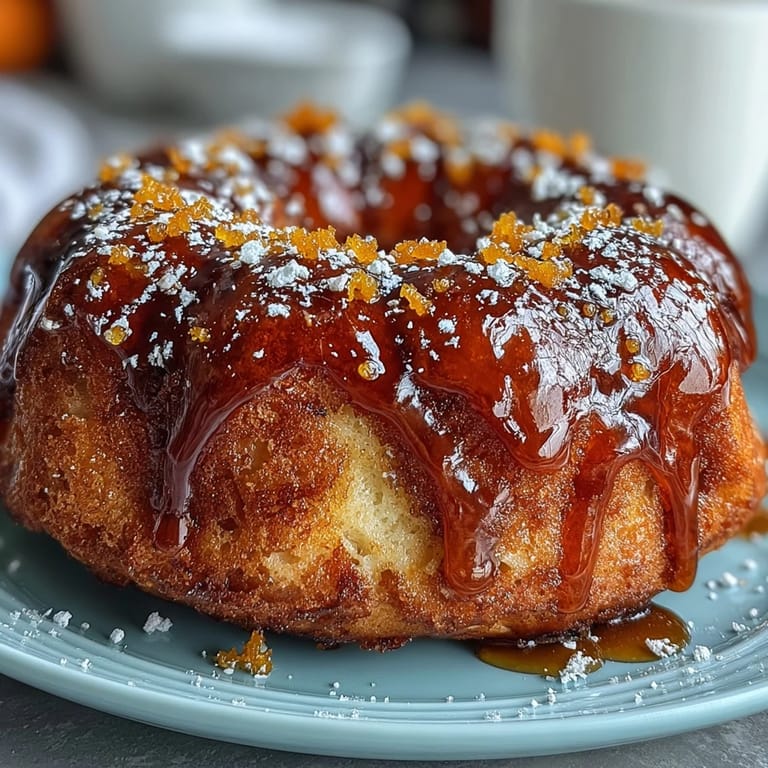 Pin It
 If you try this cake, may it bring you a little bit of bright, effortless joy. Sometimes magic really does happen with just a blender and a good orange.
Recipe FAQs
- → Will the orange peel make the cake bitter?
Using a ripe, seedless orange and removing any large pith helps prevent bitterness. Blending thoroughly smooths the peel into the batter, mellowing its flavor. If concerned, remove most of the white pith before blending.
- → Can I make this dairy-free?
Yes. The cake batter itself contains no dairy; use plant-based toppings such as coconut cream or vegan whipped cream if you want a dairy-free finish.
- → How should I store leftovers?
Allow the cake to cool completely, then wrap tightly or store in an airtight container at room temperature for 2 days or in the refrigerator for up to 5 days. Bring to room temperature before serving for best texture.
- → What can I use if I don’t have a blender?
A food processor works well to purée the orange. If using a coarse appliance, strain the purée for a smoother batter or finely chop the orange and beat thoroughly to avoid large pieces.
- → Can other citrus be used instead of orange?
Yes—tangerine or clementine work best for similar sweetness. Lemon or lime will be much tarter; reduce any added sugar if using those for balance.
- → Any tips to boost flavor?
Add a tablespoon of orange liqueur, a teaspoon of orange zest, or a pinch of ground cardamom to the batter for deeper aromatic notes. Toasted almond slivers on top add texture.