 Pin It
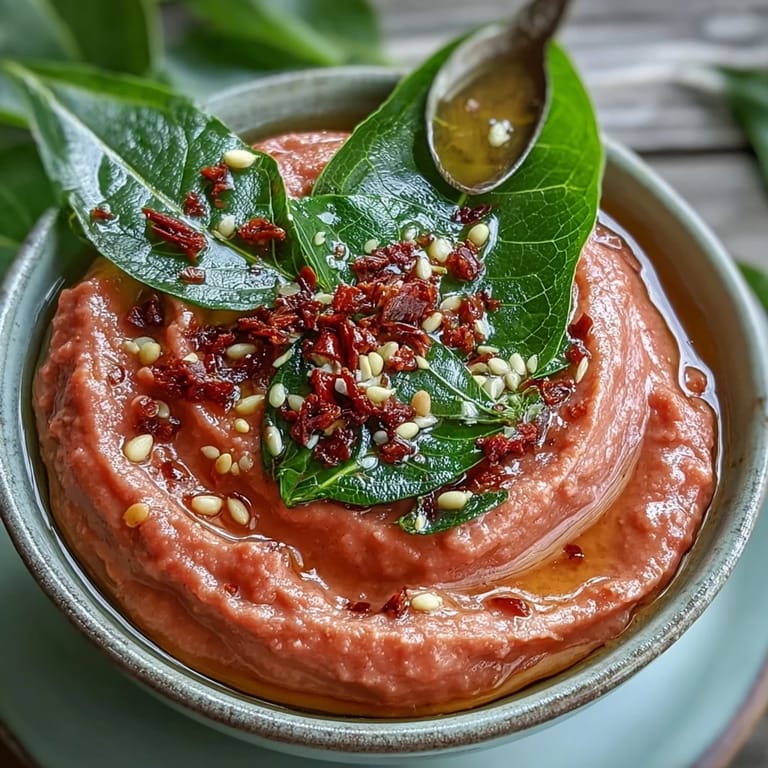
 My neighbor brought over a bag of guavas one afternoon, still warm from her tree, and I had no idea what to do with them except make jam. She laughed and handed me a small container of the most vibrant green chutney I'd ever seen, saying it took her ten minutes flat. That first spoonful changed everything—the brightness of the fruit, the heat from the chilies, that mysterious warmth from the tempering seeds. I've made it nearly every week since, and it's become the thing people ask for when they visit.
I made this for my daughter's school potluck, nervous that no one would touch it since it looked unfamiliar. Three parents asked for the recipe before the event ended, and one mom came back the next week saying her kids now ask for it with their breakfast. That's when I realized this wasn't just a chutney—it was a conversation starter, a gentle way to share something beyond what people expected.
Ingredients
- Semi-ripe guavas, chopped (about 1½ cups): Look for guavas that yield slightly to pressure but still have a bit of firmness; they'll give you that perfect balance of sweetness and tartness without being mushy.
- Fresh grated coconut (¼ cup): This adds body and a subtle richness that makes the chutney feel luxurious rather than thin and watery.
- Green chilies, chopped (1–2): Start with one if you're unsure of your heat tolerance; you can always blend in another if you want more bite.
- Ginger, peeled and chopped (1-inch piece): Fresh ginger brings a warmth that sneaks up on you in the best way, complementing the fruit without overpowering it.
- Fresh coriander leaves, chopped (2 tablespoons): These are not optional if you want that authentic South Indian brightness that makes people say they can't quite identify what they're tasting.
- Salt (½ teaspoon): Taste as you go; the amount depends on how sweet your guavas are and your personal preference.
- Jaggery or brown sugar (1 teaspoon): This rounds out the heat from the chilies and creates harmony between all the flavors.
- Lemon juice (1 tablespoon): Squeeze it fresh; bottled won't give you that same snap and brightness.
- Coconut oil (1 tablespoon): This is the magic carrier for the tempering spices, infusing the entire chutney with their aroma.
- Mustard seeds (½ teaspoon): Listen for the splutter—that's your signal that the oil is at the right temperature.
- Urad dal, split black gram (½ teaspoon): These tiny lentils toast to a nutty golden color and add a subtle texture that changes everything.
- Dried red chili (1): Keep this whole; it releases flavor without overwhelming the dish.
- Curry leaves (6–8): Fresh is best, and they'll crackle slightly when they hit the hot oil.
- Asafoetida, a pinch (optional): This funky-smelling powder is optional, but if you include it, your kitchen will smell like an Indian grandmother is cooking.
Tired of Takeout? 🥡
Get 10 meals you can make faster than delivery arrives. Seriously.
One email. No spam. Unsubscribe anytime.
Instructions
- Blend the base:
- Combine your chopped guavas, coconut, green chilies, ginger, coriander, salt, jaggery, and lemon juice in the blender with just 2–3 tablespoons of water. Blend until you have a smooth paste, but stop and taste—you're looking for something that coats the back of a spoon, not soup.
- Transfer to your bowl:
- Pour the chutney into whatever serving dish you'll use, and take a moment to appreciate the color; it's a shade of green you rarely see.
- Heat your oil and wait for the magic:
- In a small pan over medium heat, warm the coconut oil until it shimmers slightly, then add the mustard seeds and wait. They'll start to pop and dance—that's your cue that everything else can go in.
- Toast the remaining spices:
- Add the urad dal, whole dried red chili, curry leaves, and asafoetida if using. Stir constantly until the dal turns a deeper golden color and everything smells absolutely incredible, about 30 seconds to a minute.
- Finish with the tempering:
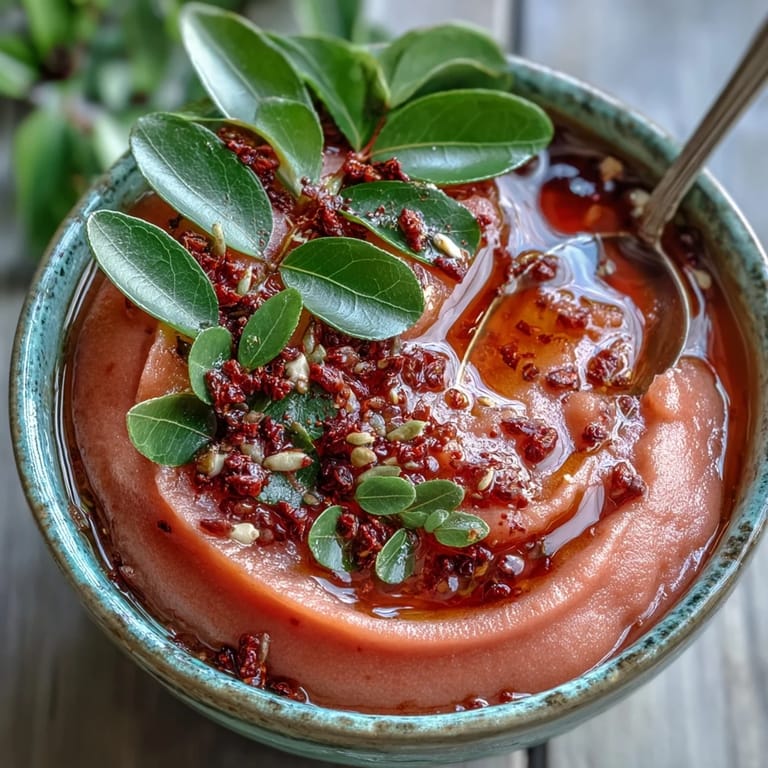
- Pour the hot oil and all those beautiful spices directly over the chutney, and mix thoroughly so every spoonful gets infused with that aromatic heat.
 Pin It
 There's a moment when you pour that hot tempering over the chutney and the whole kitchen fills with the smell of mustard seeds and curry leaves hitting the oil—that's when you know you're about to serve something special. My mother-in-law tasted it once and just nodded, which in her language meant I'd finally learned something worth learning.
When to Pick Your Guavas
The difference between a fully ripe guava and a semi-ripe one matters more than you'd think. Fully ripe guavas give you sweetness, but they lose that slight tartness that makes this chutney sing and keeps it from being dessert. Semi-ripe guavas—the ones that are just beginning to yellow but still have some give when you squeeze them gently—are what you're hunting for. If you can only find fully ripe ones, add an extra squeeze of lemon juice to compensate.
Storage and Keeping
This chutney keeps beautifully in the refrigerator for about four days, though honestly, it rarely lasts that long in my house. The flavors actually deepen as it sits, so if you're making it for a special meal, consider preparing it the day before. Transfer it to a glass container with a tight lid, and it'll stay fresh and vibrant longer than you'd expect for something so alive with heat and spice.
Serving Suggestions and Variations
This chutney was born to accompany idli and dosa, but don't stop there. I've spread it on toast, stirred it into yogurt for a quick side dish, and even used it as a finishing sauce for grilled vegetables. The heat level is gentle enough for beginners but flavorful enough for people who eat South Indian food all the time, which means it's a rare bridge between different palates in one kitchen.
- Try it with vada, uttapam, or even alongside curries where you need something bright and zingy to cut through richness.
- If you want to make it spicier, add another green chili or a pinch of red chili powder, tasting as you go.
- For a non-vegan version, substitute the jaggery with honey and use ghee instead of coconut oil for the tempering.
 Pin It
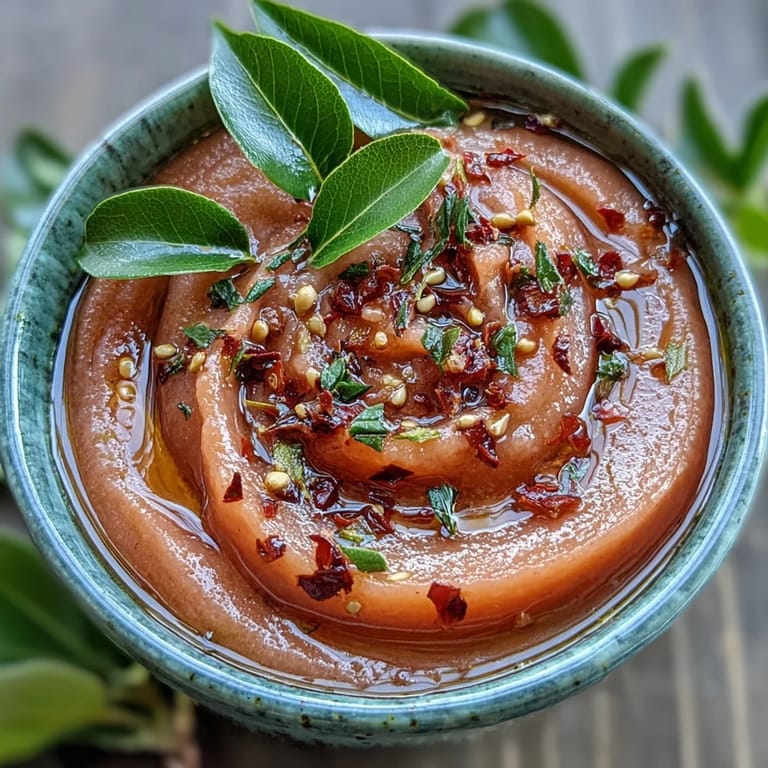
 This little chutney has taught me that some of the best things come together in minutes, not hours. It's become my answer whenever someone asks what to bring or what to make when there's nothing in the house but fruit and spices.
Recipe FAQs
- → How do I adjust the spiciness?
Reduce or increase the number of green chilies based on your heat preference. Start with one chili and add more after tasting the blended mixture.
- → Can I make this ahead of time?
Yes, prepare the chutney base and store refrigerated in an airtight container for 2-3 days. Add fresh tempering just before serving for the best texture and flavor.
- → What can I substitute for fresh coconut?
Frozen grated coconut works well. If unavailable, roasted peanuts or cashews can provide creaminess, though the flavor profile will change slightly.
- → Is this chutney gluten-free?
Use gluten-free asafoetida to ensure this chutney remains gluten-free. Traditional asafoetida may contain wheat as a binding agent.
- → How should I store leftovers?
Store in a clean glass jar in the refrigerator for up to one week. The tempering may soften over time, but the flavor remains delicious.
- → Can I freeze guava chutney?
Yes, freeze without tempering in ice cube trays or small portions. Thaw overnight in the refrigerator and add fresh tempering before serving.