 Pin It
 I discovered the magic of a yin and yang board one evening when I was hosting friends who couldn't decide between savory and sweet. Rather than choosing, I created this stunning circular platter that celebrates duality—dark and light, rich and delicate, all in perfect harmony. It became the conversation starter that night, and now whenever I need to impress without spending hours in the kitchen, I return to this beautiful balance of flavors and textures.
I'll never forget the moment my grandmother saw this board for the first time. Her eyes lit up as she traced the yin and yang pattern with her finger, then she smiled and said it tasted even better than it looked. That's when I knew this wasn't just appetizer—it was art you could eat together.
Ingredients
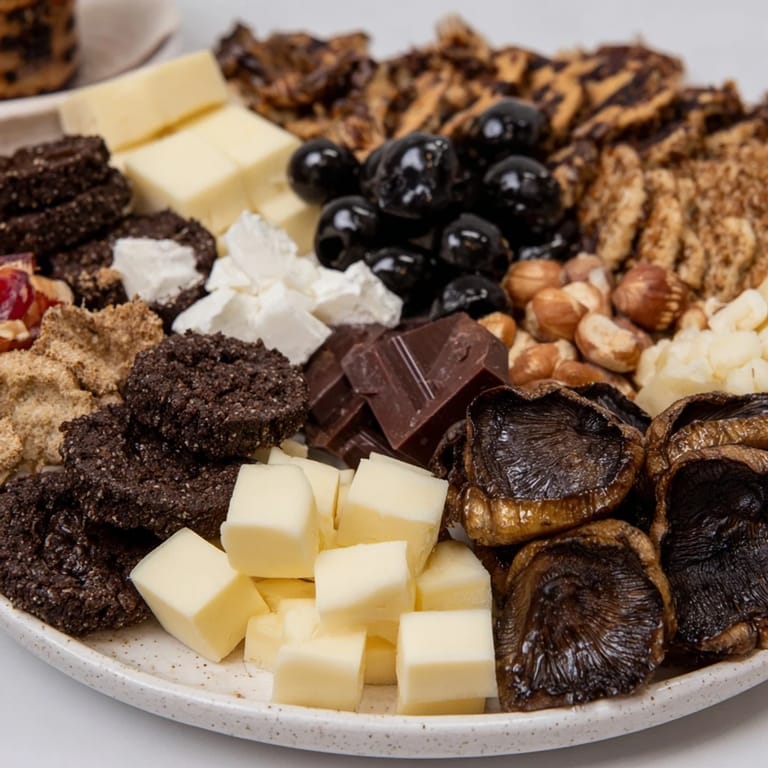
- Black olives, pitted: These form the foundation of your dark side with their briny, complex flavor. I learned to pit them myself rather than buying pre-pitted, as they stay firmer and taste fresher.
- Dark rye crackers: Choose hearty varieties with good texture—they won't crumble under the weight of toppings and provide an earthy base for contrasting ingredients.
- Aged balsamic-glazed mushrooms: If you find them pre-made, it saves time, but slicing fresh mushrooms and tossing them with aged balsamic vinegar just before serving keeps them tender and glossy.
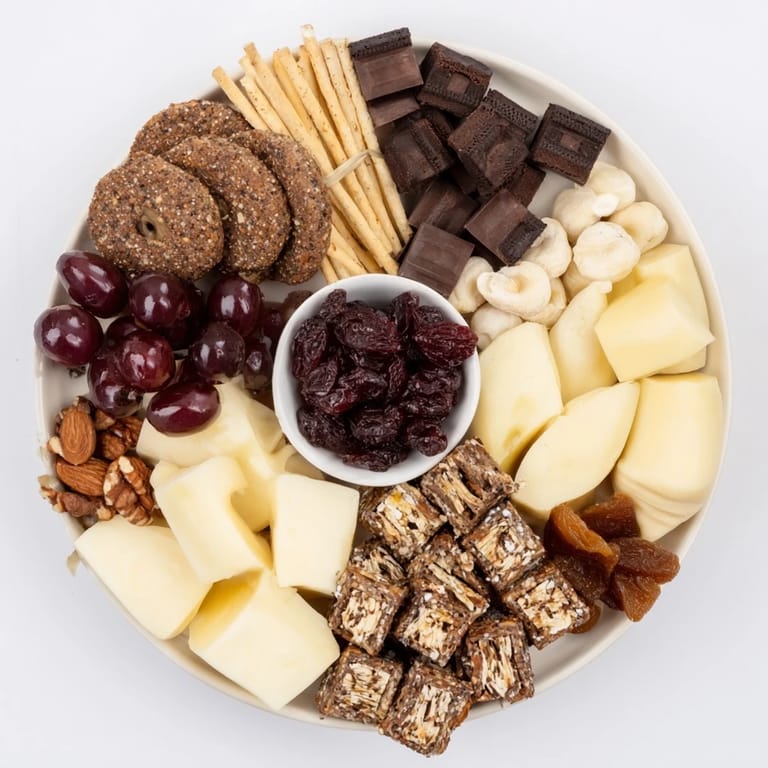
- Black grapes or blackberries: These add sweetness and juiciness to balance the savory elements—I prefer grapes for their longevity on the board, but berries feel more elegant for special occasions.
- Dark chocolate squares: Look for 70% cacao or higher so the depth of flavor stands up to the other bold tastes. Break into irregular squares rather than perfect cuts for a more inviting, natural look.
- White cheese: A mix of textures works best—creamy goat cheese, soft brie, or clean mozzarella. I've learned that letting cheese sit at room temperature for ten minutes before serving makes it more forgiving and flavorful.
- Rice crackers or water crackers: These delicate, neutral crackers let the cheese and nuts shine without competing for attention.
- Raw cashews or blanched almonds: Raw nuts have a sweetness and texture that roasted ones can't match on a board like this. Toast them lightly if you want more depth.
- Dried apricots or white grapes: Apricots bring a soft, almost floral sweetness that feels luxurious. White grapes offer crispness and mirror the dark grapes on the opposite side.
- Honey for drizzling: A quality honey transforms the light side—I use a floral variety like acacia or wildflower for subtle complexity.
Tired of Takeout? 🥡
Get 10 meals you can make faster than delivery arrives. Seriously.
One email. No spam. Unsubscribe anytime.
Instructions
- Set your canvas:
- Place your large round board on a clean, flat surface where you'll have room to arrange. The board itself becomes part of the presentation, so choose one you love looking at—wood warms up the composition, while slate or marble feels more modern and dramatic.
- Mark your harmony:
- Using a small bowl or circular cutter as your guide, lightly trace an S-shaped curve down the center. Don't press hard—you're creating a gentle suggestion rather than a strict boundary. This is where the magic happens, where dark and light meet.
- Build your dark side:
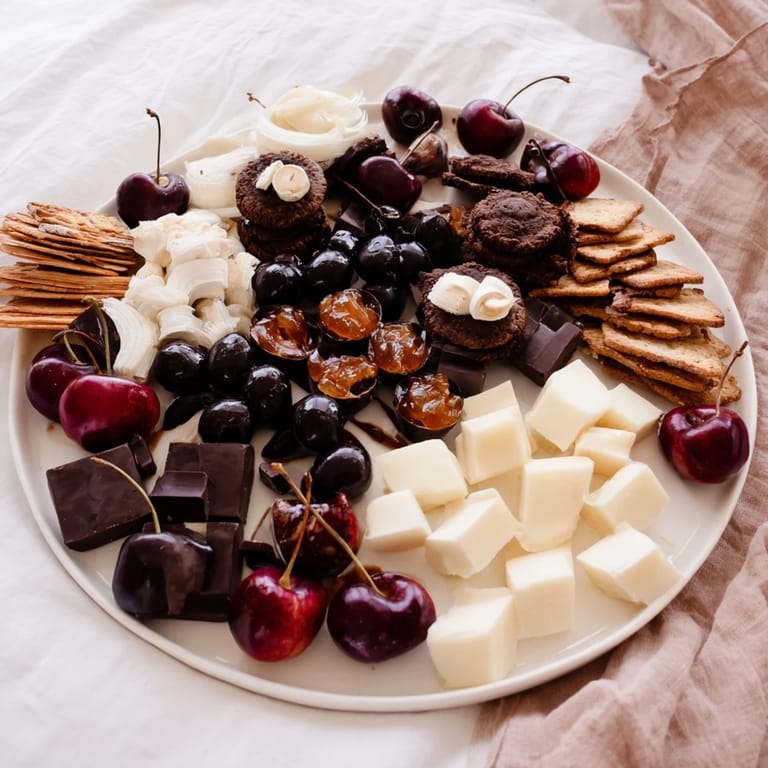
- Start with olives clustered together like a gentle pool, then arrange dark rye crackers in overlapping rows. Add your mushroom slices in a scattered pattern, then nestle black grapes throughout the gaps. Finally, place dark chocolate squares where they'll catch the light and invite curious fingers.
- Illuminate the light side:
- Mirror the dark side's generosity with your white ingredients. Arrange cheese in various cuts—some sliced, some cubed—to create visual interest. Fan out your water crackers, scatter cashews and almonds, and place dried apricots in clusters. This side should feel bright and welcoming, like a sunny corner of your board.
- Add the symbol:
- Place a small round piece of white cheese (or a single white almond) in the dark side's curve, and a dark olive or piece of chocolate in the light side's curve. This completes the yin and yang, making the symbol unmistakable and delightful.
- Finish with grace:
- Drizzle honey over the light side in thin, artistic lines. Let it pool slightly in the crevices between cheese and crackers. Serve immediately while everything is still fresh, or cover loosely with plastic wrap if preparing ahead—but no more than two hours.
 Pin It
 There's something deeply satisfying about watching guests' faces as they realize they can have both sides, that they don't have to choose between rich and light, sweet and savory. Someone always asks how long it took, and when you tell them twenty minutes, the board becomes more impressive somehow—as if balance and beauty don't require sacrifice and hours of work.
The Story Behind Yin and Yang
The yin and yang symbol has fascinated me for years, and bringing it to the table through food felt like a natural conversation. East Asian philosophy teaches that balance isn't about halves competing but completing each other, and this board embodies that idea perfectly. Dark ingredients aren't better than light ones—they're necessary partners that make each other more interesting. When I arrange these flavors in that ancient symbol, I'm serving philosophy alongside nutrition, and somehow that makes everything taste better.
Pairing and Serving Suggestions
This board shines when you pour crisp white wine or a light, fruity red alongside it. I've also served it with sparkling cider for non-drinkers, and there's something about the bubbles that makes the whole experience feel celebratory. The board itself serves as the main event at casual gatherings, or becomes an elegant opening course for more formal dinners. I've learned that when you put something this beautiful on the table, people naturally slow down and enjoy—conversations deepen, strangers become friends faster.
Variations and Personal Touches
While this recipe gives you a complete vision, the real joy comes in making it yours. I've swapped in everything from black sesame crackers to white miso-kissed nuts, added edible flowers for color, and once even used blackened cauliflower chips for extra texture. The structure of yin and yang stays constant while the ingredients tell your story. The beauty of this board is that it teaches you something valuable: limitations breed creativity, and structure invites experimentation.
- Try adding fresh herbs like microgreens or edible flowers for unexpected bursts of color and flavor
- Experiment with different cheeses each time you make it—this board celebrates variety and invites discovery
- Consider dietary needs by swapping nuts for seeds, cheese for dairy-free alternatives, and chocolates for high-quality options that work with any lifestyle
 Pin It
 This board has taught me that hospitality is really about offering people a place where contrasts feel harmonious, where everyone finds something they love. Make it with intention, and watch how it brings people together.
Recipe FAQs
- → How is the yin-yang design created on the board?
A curved S-shaped line is lightly marked on the platter to divide it into dark and light halves, mimicking the yin-yang symbol.
- → What ingredients compose the dark side of the board?
The dark side includes black olives, dark rye crackers, aged balsamic-glazed mushrooms, black grapes or blackberries, and dark chocolate squares.
- → Which items are used for the light side arrangement?
The light side features white cheeses like goat cheese or brie, rice or water crackers, cashews or almonds, dried apricots or white grapes, with an optional honey drizzle.
- → Can substitutions be made for dietary needs?
Yes, cheeses and crackers can be replaced according to preference. Adding fresh herbs or edible flowers is also recommended for extra aroma and color.
- → What tools are needed to prepare the board?
A large round serving board, a small bowl or circular cutter to guide the division, and a cheese knife for slicing cheese.
- → Are there allergen considerations to keep in mind?
The platter contains milk, tree nuts, gluten, and potentially soy in some chocolate. Checking packaged ingredients is advised.