 Pin It
 There's something about the smell of broccoli hitting hot butter that makes a kitchen feel instantly homier. I discovered this soup on a grey Tuesday when my fridge held little more than broccoli, a forgotten potato, and cream—one of those happy accidents where limitation becomes inspiration. The first spoonful was so silky and bright that I found myself making it again the next week, then the week after that. Now it's become my go-to when I need comfort without fuss, or when someone stops by and I want to feel like I've got my life together.
I made this for my sister's surprise drop-in visit last spring, and what started as a quick lunch turned into an hour of her sitting at my kitchen counter asking what was in it because it was so good. The best part was watching her relax with the warmth of the bowl in her hands—that's when I knew this recipe had become something special in my regular rotation. It's not fancy, but it feels like it is, and somehow that's even better.
Ingredients
- Broccoli florets (500 g, fresh or frozen): The star that gives this soup its vibrant color and earthy depth; frozen works beautifully if fresh isn't around, no thawing needed.
- Onion (1 medium, chopped): This gets completely tender and dissolves into sweetness, creating the base that makes every spoonful taste intentional.
- Garlic (2 cloves, minced): Just enough to add whisper of savory complexity without overpowering the delicate broccoli flavor.
- Potato (1 medium, peeled and diced): The secret weapon for creaminess—it breaks down and makes the soup luxurious without needing a ton of cream.
- Carrot (1 medium, peeled and diced): A touch of natural sweetness that balances the broccoli's slight bitterness beautifully.
- Vegetable broth (1 L / 4 cups): The liquid backbone that ties everything together; use a good one because it matters more than you'd think.
- Heavy cream (120 ml / ½ cup): The final flourish that transforms good into silky and comforting; plant-based cream swaps in seamlessly.
- Olive oil or unsalted butter (2 tbsp): Your choice of fat for sautéing; I lean toward butter when I want richness, oil when I want brightness.
- Salt (½ tsp) and ground black pepper (¼ tsp): Taste as you go because every broth has its own saltiness and you're the best judge.
- Ground nutmeg (pinch, optional): A tiny whisper of warmth that makes people ask what the secret ingredient is.
Tired of Takeout? 🥡
Get 10 meals you can make faster than delivery arrives. Seriously.
One email. No spam. Unsubscribe anytime.
Instructions
- Warm your fat and soften the aromatics:
- Heat the oil or butter in your pot over medium heat, then add the chopped onion and garlic. Let them dance around for a couple of minutes until the kitchen starts smelling like the beginning of something delicious and the onion turns translucent.
- Build your foundation with root vegetables:
- Toss in the diced potato and carrot, stirring occasionally for about three minutes. They'll start to soften around the edges and release their natural sugars, creating a sweet undertone for the soup.
- Add the broccoli and liquid:
- Pour in all the broccoli florets and vegetable broth at once, then bring everything up to a rolling boil. Once it's boiling, lower the heat and let it simmer uncovered for fifteen to eighteen minutes, until you can easily pierce any vegetable with a fork.
- Blend into silk:
- This is where the magic happens—remove the pot from heat and use an immersion blender to puree everything until completely smooth. If you don't have an immersion blender, carefully transfer in batches to a regular blender, working in smaller portions so nothing erupts.
- Finish with cream and seasoning:
- Stir in the heavy cream with a gentle hand, then add salt, pepper, and that optional pinch of nutmeg. Taste and adjust—you might need more salt than you think, or you might like an extra grind of pepper for brightness.
- Reheat and serve:
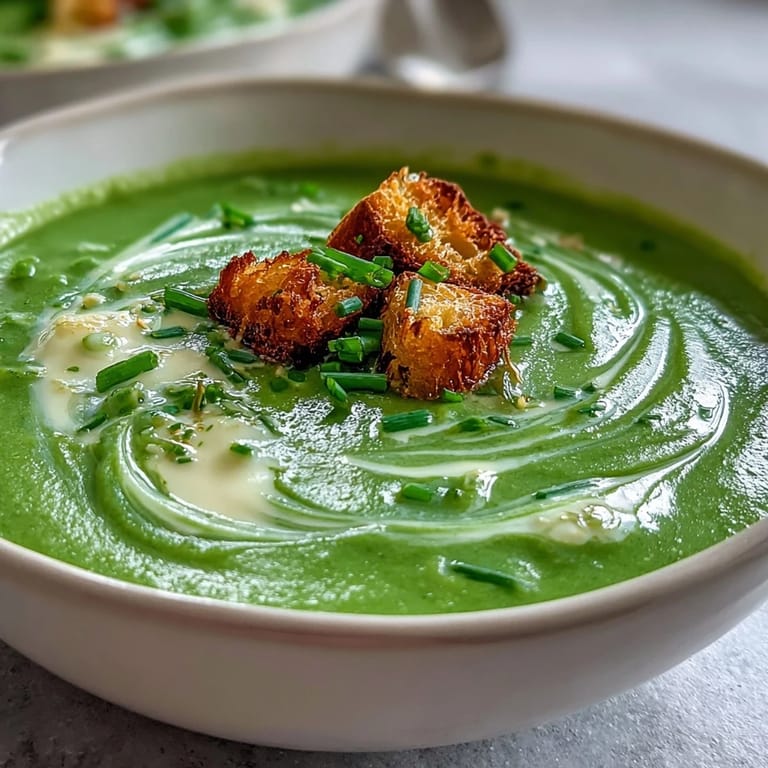
- If your soup has cooled while blending, warm it gently over low heat without letting it boil. Ladle into bowls and top with whatever garnish calls to you—a drizzle of cream, some crispy croutons, or fresh chives if you have them.
 Pin It
 One rainy afternoon, I served this soup to a friend who'd been having a rough week, and she told me afterward that it was the first thing that made her feel steady in days. There's something about food that's both nourishing and comforting at the same time—it reaches you differently than anything else can.
Variations to Make It Your Own
This soup is a canvas waiting for your touches. I've stirred in a handful of spinach or kale for extra green nutrition and color, used cashew cream for a different richness, added a splash of white wine for brightness, or even a tiny bit of lemon juice at the end to wake everything up. Once you understand the basic framework—soft aromatics, tender vegetables, blended smooth, finished with cream—you can play with it endlessly.
Pairing Ideas and Serving Suggestions
This soup tastes even better when it's not eating alone on the plate. A crusty bread for dunking, a grilled cheese sandwich alongside, or even a simple green salad to add contrast—these little companions make the meal feel complete. I've also made it the opening course for dinner parties, and people always seem surprised by how satisfying a bowlful is.
Storage and Make-Ahead Tips
This soup actually tastes better the next day after the flavors have gotten to know each other, which makes it perfect for meal prep or lazy dinners later in the week. It keeps beautifully in the refrigerator for up to four days, and freezes wonderfully for up to three months—just thaw it gently and reheat slowly so the cream doesn't separate. I usually freeze it before adding the cream, then stir that in fresh when I'm warming it up, which feels like a small kindness to future me.
- Store in glass containers if you can, because the soup won't stain them and you'll actually remember what's inside.
- When reheating from frozen, thaw overnight in the fridge, then warm gently over low heat while stirring occasionally.
- A squeeze of fresh lemon juice right before serving brings the whole thing back to life if it feels flat after storage.
 Pin It
 This soup has become my answer to so many questions: What do I make when I'm tired? What's both elegant and easy? What makes a kitchen feel full of care? It's become the recipe I recommend to people learning to cook because it teaches you so much while asking so little. Make it once, and you'll know why it keeps showing up on my table, again and again.
Recipe FAQs
- → Can I make this soup ahead of time?
Yes, this soup keeps beautifully for 3-4 days refrigerated. The flavors actually develop more depth overnight. Reheat gently over medium-low heat, stirring occasionally. Add a splash of cream or broth if it thickens too much after storing.
- → What vegetables work best as additions?
Sautéed leeks enhance the aromatic base. A handful of spinach or kale boosts nutrients and color. Cauliflower creates an even creamier texture when blended. For extra protein, consider adding white beans during the simmering stage.
- → How do I achieve the smoothest texture?
Cook vegetables until completely tender—fork-ready is the test. An immersion blender works wonderfully directly in the pot. If using a standard blender, process in batches and vent steam. For ultra-silky results, pass through a fine-mesh sieve after blending.
- → What garnishes elevate this soup?
A drizzle of cream creates beautiful swirls. Homemade garlic croutons add satisfying crunch. Fresh chives, parsley, or dill bring bright contrast. A dusting of grated Parmesan or a dash of truffle oil transforms it into something special.
- → Can I freeze this soup?
Yes, freeze for up to 3 months in airtight containers. The potato may cause slight texture changes, but the soup remains delicious. Thaw overnight in the refrigerator, then reheat gently with added cream or broth to restore consistency.
- → What's the purpose of the potato and carrot?
The potato acts as a natural thickener, creating body without flour. Its starchiness contributes to the velvety mouthfeel. Carrot adds subtle sweetness that balances broccoli's slight bitterness. Both vegetables create a more complex, rounded flavor profile.