 Pin It
 My kitchen smelled like burnt sage the first time I tried making this—I'd sneezed while measuring and sent half the jar flying into the pan. But something magical happened when I stirred that creamy, herb-flecked sauce into the pasta. My partner walked in mid-cook and asked what that comforting, almost pot-pie-like aroma was, and suddenly I understood why comfort food doesn't always need to be complicated. This creamy veggie pot pie pasta became my answer to those nights when I wanted something that tasted like home without fussing for hours.
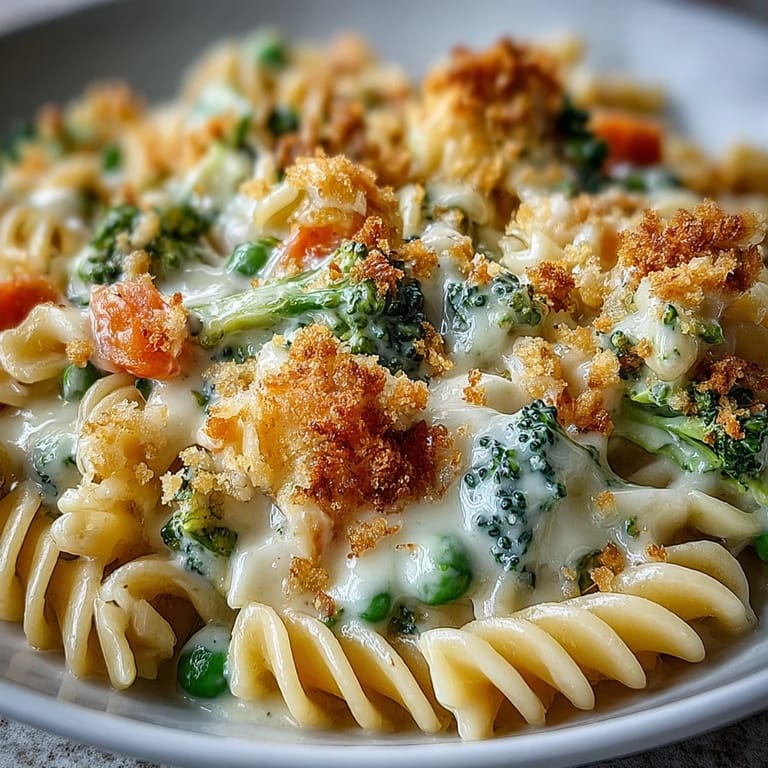
I made this for my sister during a surprise dinner last autumn, and she arrived hungry and skeptical about another pasta dish. When I pulled that bubbling skillet from under the broiler with its bronzed, crunchy topping catching the light, her whole face changed. She ate two helpings in near silence, and afterward she said it tasted like the best parts of fall—the comfort, the richness, that feeling of being taken care of. That's when I knew this recipe deserved to be shared.
Ingredients
- Olive oil: Starts the flavor foundation by releasing the natural sweetness from your aromatics.
- Onion, garlic, carrots, celery: This holy trinity of flavor builds a savory base—carrots bring subtle sweetness, celery adds earthiness, garlic deepens everything.
- Frozen peas and corn: Frozen vegetables are your secret weapon here; they're picked at peak ripeness and thaw gently in the sauce without getting mushy.
- Diced potatoes: They add body and earthiness while thickening the sauce naturally as they break down slightly.
- Short pasta like penne or shells: The shapes trap sauce in their curves and crevices, making each bite creamy and intentional.
- Unsalted butter and all-purpose flour: This roux is your thickening agent—the foundation of that silky sauce that makes this dish sing.
- Vegetable broth, milk, and heavy cream: The broth adds savory depth, while milk and cream create that luxurious, coat-your-mouth texture.
- Dried thyme, sage, and nutmeg: These herbs whisper of autumn and classic comfort food, but don't overpower the vegetables.
- Panko breadcrumbs: Coarse and airy, they become impossibly crispy under the broiler without burning.
Tired of Takeout? 🥡
Get 10 meals you can make faster than delivery arrives. Seriously.
One email. No spam. Unsubscribe anytime.
Instructions
- Get your oven ready:
- Turn on your broiler to high while you prep, so it's hot and ready when you need that golden finish.
- Build your vegetable base:
- Heat olive oil in your large skillet over medium heat and add the onion, garlic, carrots, celery, and potatoes. Let them sauté for 5 to 7 minutes, stirring occasionally, until the edges of the carrots start to soften and the whole kitchen smells like dinner time.
- Add the frozen jewels:
- Stir in the broccoli (if using), peas, and corn, cooking just 2 more minutes so they warm through without getting ahead of themselves.
- Make your roux, the creamy secret:
- Push all the vegetables to one side of the pan and add butter to the cleared space. Once it's melted and foaming, sprinkle flour over it and whisk constantly for a full minute—you're cooking out the raw flour taste and building the thickening base.
- Bring on the creaminess:
- Slowly pour in your vegetable broth while whisking gently, breaking up any flour lumps. Add the milk and cream next, stirring until everything melds into a smooth, silky sauce that coats the back of a spoon.
- Cook the pasta together:
- Add the dry pasta, salt, pepper, thyme, sage, and nutmeg directly to the skillet and stir well. Cover and simmer gently for 12 to 14 minutes, stirring every few minutes, until the pasta is tender but still has a slight bite and the sauce has thickened enough to coat each piece.
- Prepare your topping:
- While everything simmers, mix panko breadcrumbs, melted butter, dried parsley, garlic powder, and a pinch of salt in a small bowl until it looks like wet sand.
- Crown your creation:
- When the pasta is perfect, sprinkle the buttery breadcrumb mixture evenly across the top of your skillet, covering every corner.
- The broiler moment:
- Slide your skillet under the broiler for 2 to 3 minutes, watching intently—you want golden-brown crumbs, not charred. This is quick magic; don't walk away.
- Serve and savor:
- Bring the skillet to the table while steam rises from it, and let everyone see what they're about to eat before you serve.
 Pin It
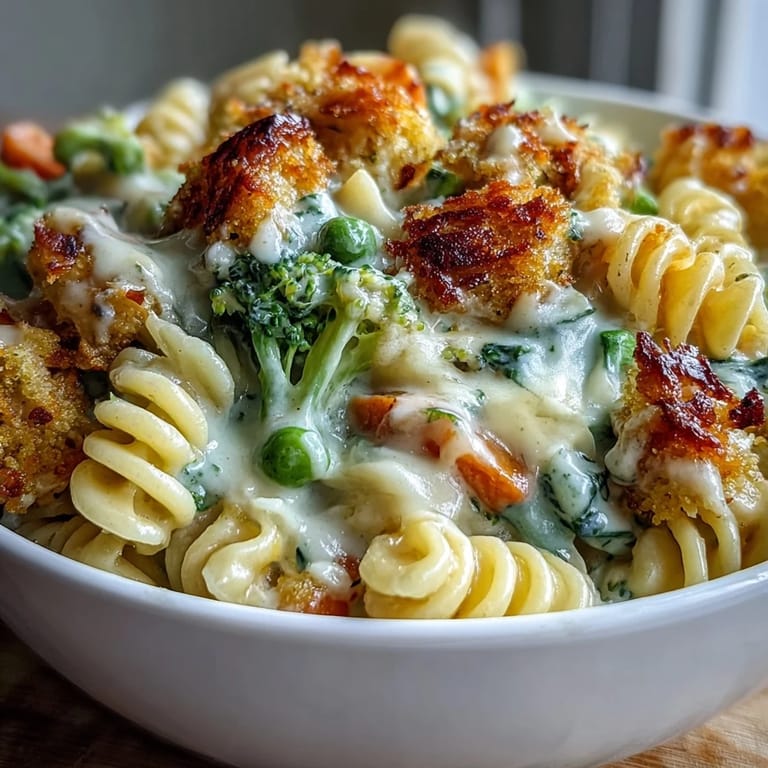
 There's a moment during cooking when you stand back and realize you've created something that tastes like care, like intentionality, like someone understood what you needed to eat tonight. This dish does that thing every single time. It's the kind of meal that turns an ordinary Wednesday into something worth remembering.
Why This Works
The beauty of this recipe lies in its balance—you're not layering flavors endlessly, but rather letting each ingredient play its part in creating one cohesive, warming experience. The vegetables soften into the sauce, the pasta absorbs all that creamy herb-forward liquid, and then that sharp, textural crunch on top comes along and changes everything. It's psychology and physics meeting on a plate.
Customizing Your Version
This recipe thrives on flexibility because vegetables are forgiving and honest about what they need. Substitute or add whatever's in your crisper drawer—zucchini, mushrooms, spinach, green beans, or even diced butternut squash all find their place here. The sauce accommodates them without complaint, and the seasoning stays balanced. Some cooks add a splash of white wine to deepen the flavor, others swap in fresh herbs if they have them, and none of those choices would be wrong.
Storage and Second Meals
Leftovers live in the refrigerator for three days, and they reheat beautifully if you add a splash of milk or broth to loosen the sauce—pasta absorbs liquid as it sits, so don't be alarmed. I've reheated this on the stovetop over low heat, in the oven at 350 degrees covered with foil, or even in a microwave in a pinch. The one thing I don't do is re-broil the topping, because once it's been crisped, it's best enjoyed fresh, but it still tastes wonderful if it softens during reheating.
- Add a little extra broth or milk if the sauce seems thick when you're reheating.
- Make the breadcrumb topping fresh right before serving leftovers if you have time and patience.
- This freezes well for up to two months if stored in an oven-safe container without the topping.
 Pin It
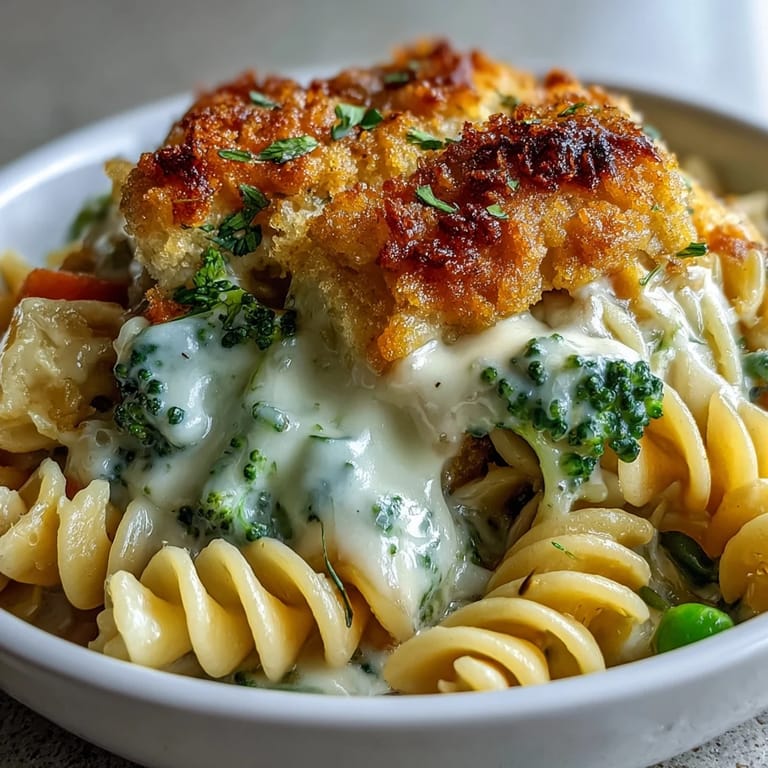
 This recipe is a reminder that comfort doesn't have to be complicated, and that feeding people something warm and creamy from a single pan is its own kind of love language. Make it tonight, and watch what happens.
Recipe FAQs
- → Can I make this dish ahead of time?
Yes, prepare the pasta and vegetable mixture up to 24 hours ahead. Store in the refrigerator and reheat gently on the stove, adding a splash of milk if needed. Add the fresh crumb topping and broil just before serving for the best texture.
- → What pasta shapes work best?
Short pasta varieties with nooks and crannies capture the creamy sauce beautifully. Penne, rotini, shells, or cavatappi are excellent choices. Avoid long strands like spaghetti as they don't hold the chunky vegetables as well.
- → How can I add protein?
Diced cooked chicken or turkey makes a wonderful addition. Simply stir in 2 cups of cooked meat during step 6. Shredded rotisserie chicken works perfectly. For vegetarians, white beans or chickpeas also add protein and substance.
- → Can I use different vegetables?
Absolutely. This versatile dish works with whatever vegetables you have on hand. Zucchini, green beans, mushrooms, butternut squash, or bell peppers all work beautifully. Just keep the total quantity around 5-6 cups for the right sauce-to-vegetable ratio.
- → Is the broiler step necessary?
The broiler creates that irresistible golden crust and elevates the dish, but it's optional. You can simply sprinkle the crumbs over the hot pasta and serve—the flavors will still be delicious. The broiling takes only 2-3 minutes and adds restaurant-worthy presentation.
- → How do I store leftovers?
Store in an airtight container in the refrigerator for up to 4 days. The sauce will thicken as it cools, so add a splash of milk or broth when reheating. For best results, reheat in a skillet over medium heat rather than the microwave.