 Pin It
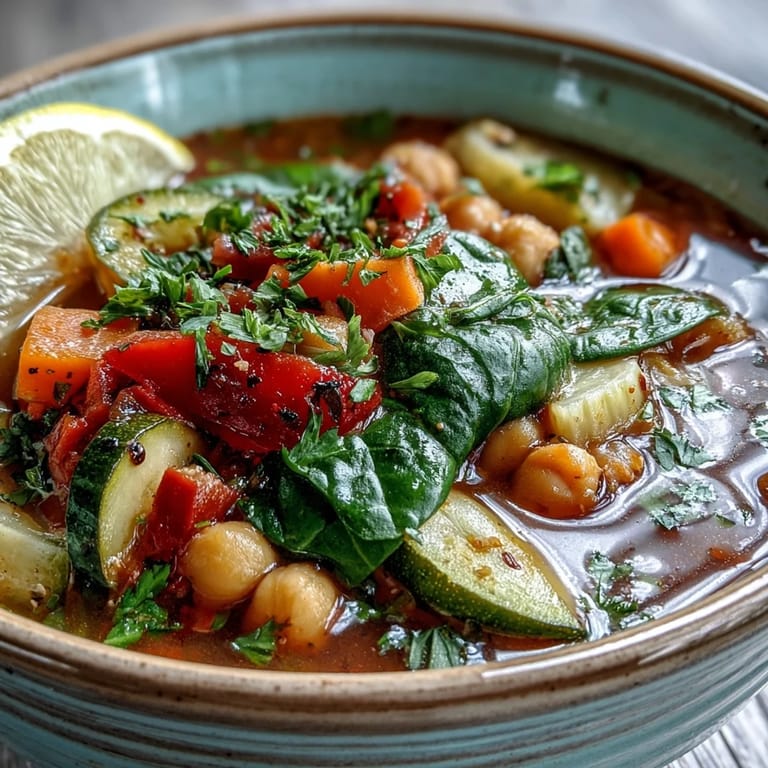
 There's something about a pot of chickpea stew simmering on the stove that makes a kitchen feel like home, especially on those afternoons when the weather shifts and you crave something warm and grounding. I discovered this recipe during a period when I was trying to eat more intentionally, and what started as a practical lunch became my go-to comfort meal. The beauty of it is how forgiving it is—you can throw in whatever vegetables are languishing in your crisper drawer, and it somehow always comes together beautifully. The spices are gentle enough that they don't overpower, but layered enough that each spoonful tastes thoughtfully made.
I remember making this for a friend who'd been dealing with digestive issues, and watching them have a second bowl without hesitation felt like I'd unlocked something important. They asked for the recipe that same evening, which is when I realized this wasn't just a stew—it was the kind of dish that makes people feel seen and cared for. There's power in serving food that's both delicious and genuinely good for you.
Ingredients
- Cooked chickpeas (2 cups or 1 can): Rinse canned chickpeas thoroughly under cool water to remove excess sodium and that metallic tang, or cook dried ones if you have time—they develop a slightly creamier texture.
- Onion and garlic: These two create the aromatic foundation that makes your kitchen smell like something wonderful is happening.
- Carrots, celery, and red bell pepper: The holy trinity of vegetable cooking, each bringing sweetness, earthiness, and brightness respectively.
- Zucchini: Added near the end so it stays tender and doesn't dissolve into the broth.
- Fresh spinach: Wilts in at the very last moment, adding iron and a vibrant green that makes the whole pot look alive.
- Diced tomatoes: Use canned if fresh ones aren't in season—they provide acidity that brightens everything else.
- Vegetable broth: Low-sodium is key so you can control the salt and taste as you go.
- Olive oil: A good quality one makes a noticeable difference in how the aromatics develop.
- Cumin, smoked paprika, turmeric, and coriander: These spices work together like a well-rehearsed band, with turmeric adding earthiness and paprika bringing a subtle smoke that feels sophisticated without being obvious.
- Bay leaf: Adds a whisper of herbal complexity throughout the cooking time.
Tired of Takeout? 🥡
Get 10 meals you can make faster than delivery arrives. Seriously.
One email. No spam. Unsubscribe anytime.
Instructions
- Build your base:
- Heat the olive oil over medium heat and let it shimmer slightly before adding diced onion. You're looking for that moment when the onion turns translucent and becomes fragrant—this usually takes about three minutes and signals that the flavor foundation is ready.
- Develop the aromatics:
- Add garlic, carrots, celery, and bell pepper, stirring occasionally for five minutes. The kitchen will start smelling incredibly inviting as these vegetables soften and begin to caramelize slightly at the edges.
- Toast the spices:
- This single minute of cooking the spices in the hot oil before adding liquid is what transforms this from simple vegetable soup into something with real depth and warmth. You'll notice the aroma shift as the spices bloom.
- Add the bulk:
- Pour in the chickpeas, diced tomatoes, and vegetable broth along with the bay leaf. Bring everything to a boil, which takes about five minutes, then reduce heat to low and let it simmer uncovered for twenty minutes, stirring occasionally to ensure nothing sticks to the bottom.
- Final vegetables and finish:
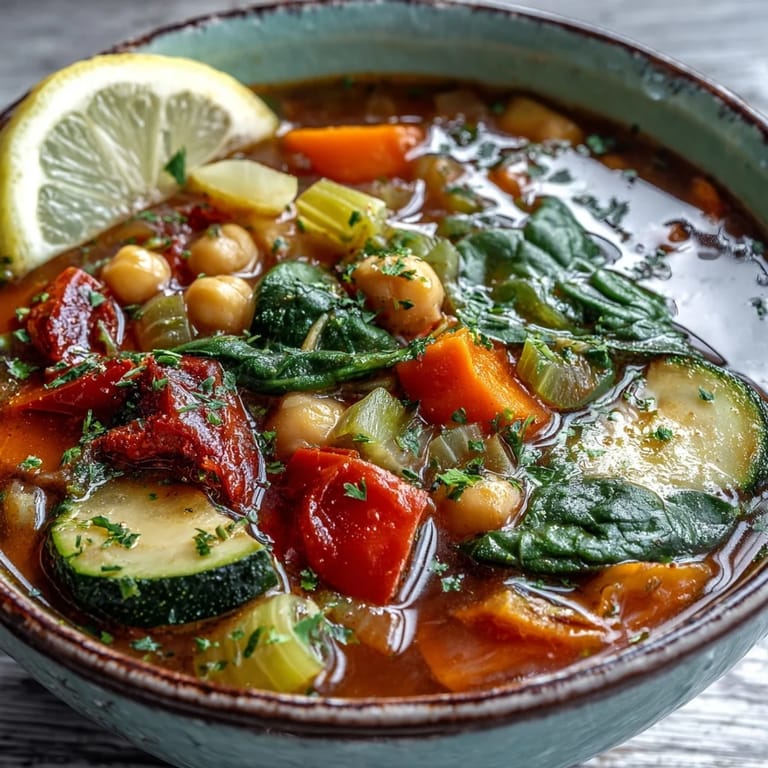
- Add the zucchini and let it cook for seven minutes until just tender, then stir in the spinach and watch it wilt into vibrant green ribbons in just two minutes. Taste and adjust salt and pepper before removing the bay leaf.
 Pin It
 There was an evening when a neighbor stopped by just as this stew was reaching its final stage, and the smell alone convinced her to stay for dinner. We ended up talking for three hours over bowls of this, and somehow the conversation felt as nourishing as the food itself. That's when I understood that the best recipes aren't just about ingredients and technique—they're about creating moments where people feel genuinely welcome.
Why This Stew Became My Go-To
What makes this recipe special is how it adapts to whatever's in your kitchen without losing its identity. I've made it with kale instead of spinach, added white beans alongside the chickpeas, thrown in fresh tomatoes when they were abundant, and even doubled the spices on days when I needed something more assertive. Each version tastes like itself, which is the hallmark of a well-built recipe.
The Gut-Friendly Angle
Chickpeas are quietly powerful—they're rich in fiber that feeds the good bacteria in your digestive system, and they're protein-dense enough to keep you satisfied without weighing you down. Combined with spinach, turmeric, and all those vegetables, you're creating a meal that does actual work inside your body while tasting like pure comfort. It's one of those rare dishes where the nutritional benefits feel secondary to how good it tastes.
Storage and Serving Ideas
This stew keeps beautifully in the refrigerator for up to four days, and honestly tastes even better on day two when the flavors have had time to marry together. You can freeze it for up to three months, though the spinach will lose some of its texture—add fresh spinach after reheating if you want that vibrant element back. Serve it on its own for a light meal, or pair it with whole grain bread, brown rice, or couscous when you want something more substantial.
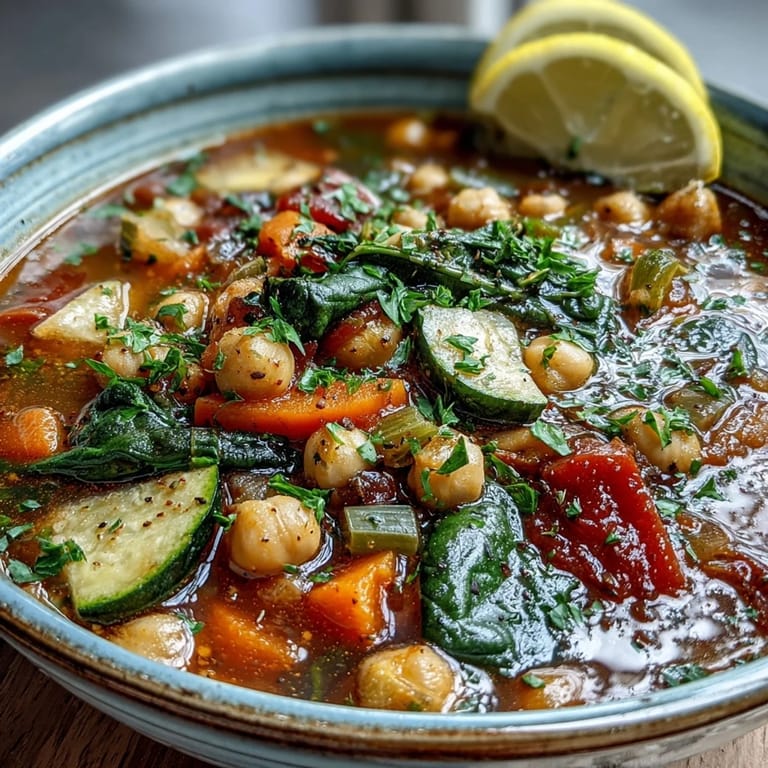
- A squeeze of fresh lemon juice just before eating brightens everything and adds a layer you didn't know was missing.
- Fresh parsley scattered on top gives you a pop of freshness that contrasts beautifully with the warm spices.
- Keep a bottle of hot sauce nearby for anyone who wants to add heat—this stew is a blank canvas for personal preference.
 Pin It
 This stew exists in that sweet spot where it nourishes your body, makes your kitchen smell incredible, and leaves you feeling like you've done something genuinely good for yourself. Keep coming back to it.
Recipe FAQs
- → Can I use dried chickpeas instead of canned?
Yes, soak 1 cup dried chickpeas overnight, then cook for 60-90 minutes until tender before adding to the stew. You'll need about 2 cups cooked chickpeas total.
- → How long does this stew keep in the refrigerator?
Store in an airtight container for up to 4-5 days. The flavors actually improve overnight as the spices meld together. Reheat gently on the stovetet with a splash of broth or water.
- → Can I freeze this chickpea stew?
Absolutely. Cool completely, then transfer to freezer-safe containers. Freeze for up to 3 months. Thaw overnight in the refrigerator before reheating. Spinach may become slightly softer after freezing.
- → What other vegetables work well in this stew?
Try adding diced potatoes, sweet potatoes, butternut squash, or green beans. Leafy greens like kale or Swiss chard make excellent substitutes for spinach. Adjust cooking times accordingly for harder vegetables.
- → Is this stew spicy?
The seasonings provide warm, aromatic flavor rather than heat. If you prefer some spice, add red pepper flakes or a diced jalapeño when sautéing the onions. Adjust according to your taste preference.
- → What should I serve with this stew?
Pair with crusty whole grain bread, brown rice, or quinoa for a more substantial meal. A simple green salad with lemon vinaigrette complements the rich flavors beautifully.