 Pin It
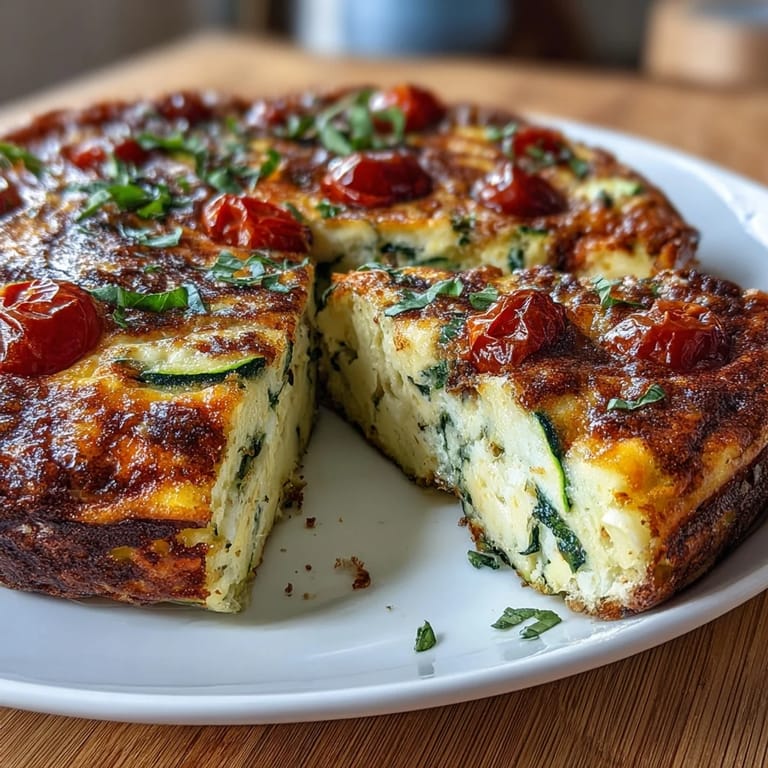
 There's something magical about the smell of zucchini hitting hot olive oil on a lazy Sunday morning—it fills your kitchen with this garden-fresh promise that breakfast is about to become something special. I stumbled onto this frittata years ago when I had a surplus of summer vegetables and exactly six eggs left in the fridge, and what started as resourcefulness turned into my go-to whenever I want something that feels indulgent but doesn't weigh me down. The beauty of it is how the eggs puff up in the oven, creating this tender, custardy center while the vegetables soften into sweet little pockets of flavor. It's the kind of dish that tastes like you spent hours cooking when really you've only invested twenty minutes of actual work.
I made this for a friend who'd been asking me how I managed to stay consistent with healthy eating, and watching her face when she tasted it—realizing it was vegetables and eggs, not cream and cheese—was the real victory. She's been making it weekly ever since, and now it's become this funny inside joke between us about how simple food done right beats complicated recipes every time.
Ingredients
- Medium zucchini, thinly sliced: Slice it thin so it softens quickly and distributes evenly through the frittata—thick chunks tend to stay a bit woody in the middle.
- Cherry tomatoes, halved: These burst slightly during cooking, releasing their juices and creating little pockets of bright acidity that balance the eggs.
- Small yellow onion, finely chopped: The sweetness builds as it softens, forming the flavor foundation before everything else goes in.
- Baby spinach (optional): It wilts down dramatically, so don't be afraid to use the full two cups—it adds nutrition without any heaviness.
- Six large eggs: Use room temperature eggs if you can remember to grab them ahead; they whisk smoother and incorporate air more easily.
- Skim milk or plant milk: Two tablespoons loosens the egg mixture just enough to create that signature fluffy texture without adding real calories.
- Parmesan cheese (optional): A quarter cup gives you umami depth, but honestly, the dish sings without it if you're going dairy-free.
- Fresh basil, chopped: Fresh basil is worth seeking out here—it brightens everything at the very end and makes you taste the difference immediately.
- Dried oregano: Half a teaspoon is enough; too much turns herbal and overpowering.
- Garlic, minced: One clove is just right—it adds presence without dominating, especially since everything else is so delicate.
- Olive oil: One tablespoon or a light spray gets the job done; you're not deep frying, just creating a gentle non-stick surface.
Tired of Takeout? 🥡
Get 10 meals you can make faster than delivery arrives. Seriously.
One email. No spam. Unsubscribe anytime.
Instructions
- Heat your oven and prepare your skillet:
- Get your oven to 375°F while you set up your large oven-safe skillet—you want it ready to go because the cooking happens fast once you start.
- Sauté the onion:
- Pour olive oil into the warm skillet and let it shimmer, then add your chopped onion and let it soften for about two minutes, stirring occasionally so it turns translucent without browning.
- Cook the zucchini:
- Add your thinly sliced zucchini and cook for four to five minutes, stirring now and then, until it's tender enough to bend slightly but still holds its shape. You'll know it's ready when it's bright green and just starting to soften at the edges.
- Build your flavor base:
- Add your minced garlic and cook for just one minute until fragrant, then add the halved cherry tomatoes and spinach if you're using it. Stir everything gently for about two minutes until the spinach wilts and the tomatoes start to soften slightly.
- Whisk your egg mixture:
- In a separate bowl, crack all six eggs and whisk them together with the skim milk, Parmesan if using, fresh basil, oregano, salt, and pepper until everything is well combined and looks slightly pale and foamy.
- Combine and set the edges:
- Pour the egg mixture directly over your vegetables in the skillet and stir gently just a few times to distribute everything evenly. Let it cook undisturbed on the stovetop for two to three minutes so the edges and bottom start to set while the center is still loose.
- Finish in the oven:
- Transfer the entire skillet to your preheated oven and bake for ten to twelve minutes until the frittata is puffed and golden and the center is just set but still slightly soft to the touch. You want it to jiggle just a tiny bit in the middle when you nudge the pan.
- Rest and serve:
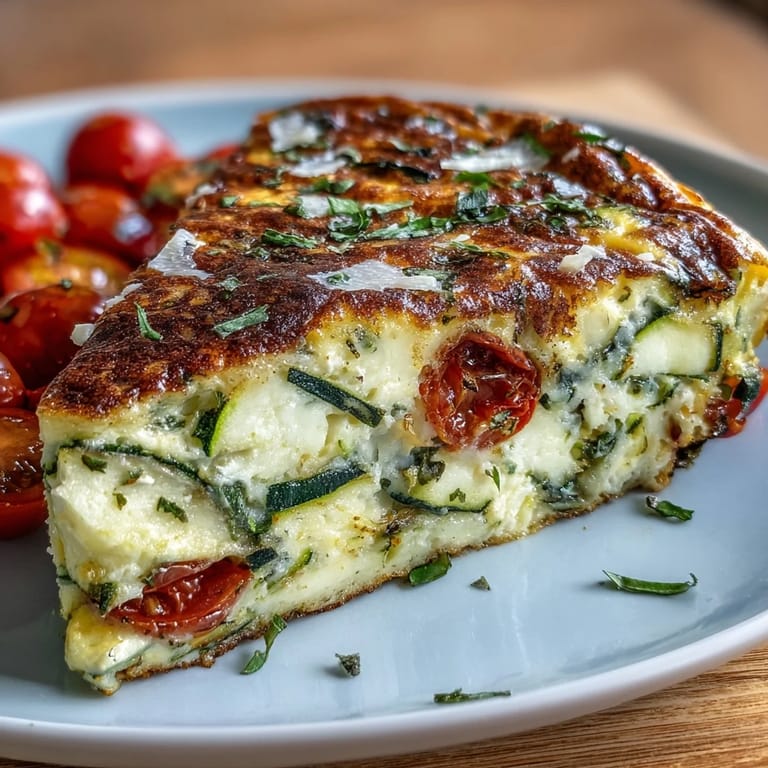
- Pull the skillet out carefully and let it cool for two minutes so the frittata sets completely. Slice it into wedges and serve warm, or let it cool to room temperature for an even lighter feel.
 Pin It
 One morning during a particularly stressful week, I made this frittata while on a work call, and something about the simple ritual of slicing vegetables and whisking eggs—the quiet productivity of it—made everything feel manageable again. Food doesn't have to be complicated to be healing, and this dish taught me that.
Storage and Leftovers
This frittata thrives as a leftover in ways most breakfast foods refuse to cooperate with. Slice it, store it in an airtight container, and eat it cold straight from the fridge the next morning—the flavors actually meld together overnight, making it taste even better. You can also gently reheat a slice in a toaster oven at 300°F for five minutes if you want it warm without drying it out.
Variations to Explore
Once you nail the basic technique, this frittata becomes a canvas for whatever's in your vegetable drawer. Roasted red peppers, mushrooms, broccoli, or kale all work beautifully—just keep your total vegetable volume roughly the same so the egg ratio stays balanced. I've added everything from sun-dried tomatoes to fresh dill, and the only thing I've learned is that you really can't mess it up.
Why This Works for Any Goal
Whether you're looking to eat lighter, meal prep efficiently, or just want a breakfast that doesn't leave you hungry two hours later, this frittata shows up for you. The protein keeps you satisfied, the vegetables add volume and fiber, and the fat from the eggs and olive oil makes everything taste genuinely delicious instead of like a sacrifice.
- Make it the night before and slice it into portions for grab-and-go mornings.
- Double the recipe and freeze half in individual portions for breakfast emergencies.
- Serve it alongside a simple green salad and you've got a complete meal any time of day.
 Pin It
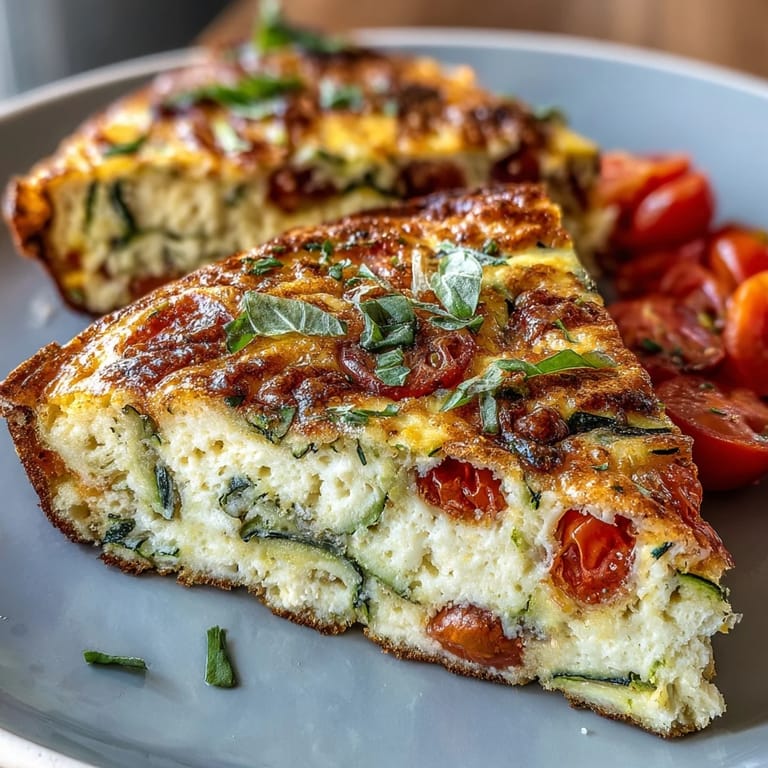
 This is the recipe I return to when I want to feel good inside and out, and after all this time, it still delivers that same garden-fresh promise every single time. Make it for yourself, make it for people you care about, and watch how something so simple becomes something people actually ask you for.
Recipe FAQs
- → How can I make this dish dairy-free?
Simply omit the Parmesan cheese or substitute it with nutritional yeast for a dairy-free version without compromising flavor.
- → What is the best way to store leftovers?
Store leftovers in an airtight container in the refrigerator for up to 3 days. Enjoy cold or gently reheat before serving.
- → Can I add extra vegetables?
Yes, baby spinach is a great addition, and finely chopped bell peppers or mushrooms can also be incorporated for more variety.
- → What level of heat can I use to cook the vegetables?
Use medium heat to gently sauté the onion and zucchini to soften them without browning, preserving their fresh flavors.
- → Is this suitable for a low-carb diet?
Yes, this dish is low in carbohydrates, focusing on vegetables and eggs, making it ideal for low-carb meal plans.