 Pin It
 My grandmother's kitchen smelled like cinnamon and caramel every Thanksgiving, and I'd watch her coax those yams into glossy submission in a cast-iron skillet that had seen decades of holiday meals. She never used a recipe, just moved with the confidence of someone who'd made this dish so many times it lived in her hands. Years later, I finally asked her to slow down and teach me, and that's when I understood—this isn't fancy cooking, it's the kind of dish that sits at the center of a table and makes people feel cared for.
I made this for a friend's family dinner once, nervous because their kitchen was pristine and mine was, well, perpetually chaotic. But as those yams started releasing their sweetness and the whole house filled with that buttery-brown-sugar-and-cinnamon haze, I watched their teenage daughter literally pause her phone scrolling to ask what smelled so good. That's when I realized this dish doesn't need anything fancy—it just needs to taste like it matters.
Ingredients
- Yams (3 large, about 2 lbs, peeled and cut into 1/2-inch thick rounds): Look for yams that feel heavy for their size with no soft spots; they hold their shape better than lighter ones and develop a creamier interior when cooked gently.
- Unsalted butter (6 tbsp): Using unsalted lets you control the salt level, and the butter creates that glossy, luxurious coating that makes this dish sing.
- Packed light brown sugar (1 cup): Pack it down when measuring so you get enough sweetness; dark brown sugar works too if you want deeper molasses notes.
- Water (1/4 cup): This dissolves the sugar and creates the syrup base, so don't skip it even though it seems minimal.
- Ground cinnamon (1/2 tsp): Ground spices are fresher than they seem in the pantry, so give it a sniff before using—stale cinnamon tastes dusty rather than warm.
- Ground nutmeg (1/4 tsp): Nutmeg is pungent, so measure carefully; a quarter teaspoon is generous enough to matter without overwhelming the dish.
- Salt (1/2 tsp): This balances all that sweetness and brings out the yams' natural flavor, so don't feel tempted to skip it.
- Pure vanilla extract (1 tsp): Add it at the end of cooking so the heat doesn't cook off its delicate flavor.
- Chopped pecans (1/4 cup, optional): Toast them lightly in a dry pan before sprinkling on top for nuttier flavor and better texture contrast.
Tired of Takeout? 🥡
Get 10 meals you can make faster than delivery arrives. Seriously.
One email. No spam. Unsubscribe anytime.
Instructions
- Melt the butter and build the syrup:
- Set a large 12-inch skillet over medium heat and let the butter melt slowly, watching it turn from pale yellow to golden—this takes about a minute and smells absolutely divine. Once it's foaming gently, add the brown sugar, water, cinnamon, nutmeg, and salt, stirring constantly until the sugar dissolves completely and the mixture comes to a gentle simmer.
- Arrange and coat the yams:
- Gently lay the yam slices in the skillet, making sure they're in a single layer and not stacked, then turn each piece to coat it thoroughly in that glossy brown syrup. This is the moment where the kitchen smells unreal, and you'll understand why people request this dish year after year.
- Braise gently with the lid:
- Cover the skillet, reduce the heat to medium-low, and let everything cook undisturbed for about 5 minutes, then start gently stirring and turning the yams every few minutes for the next 15 minutes or so. You're aiming for the yams to start becoming tender but still hold their shape—if you move them too aggressively they'll break apart.
- Finish uncovered for that glossy, thick sauce:
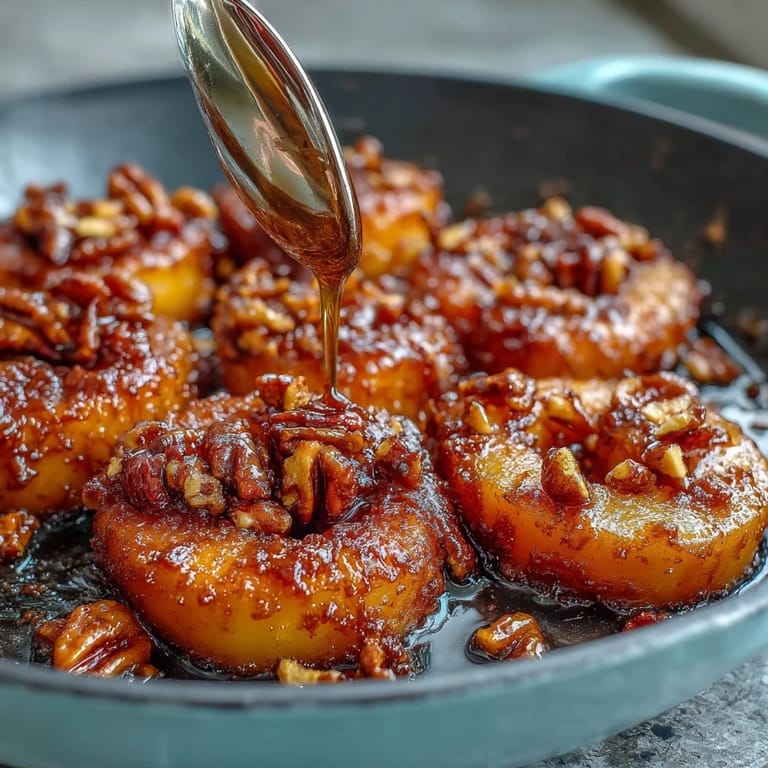
- Remove the lid, increase the heat to medium, and cook for another 10 to 15 minutes, spooning the sauce over the yams regularly—this is when the magic happens and the sauce reduces into something thick, glossy, and deeply caramelized. The yams should be fork-tender but not falling apart, and the sauce should coat the back of a spoon.
- Finish with vanilla and garnish:
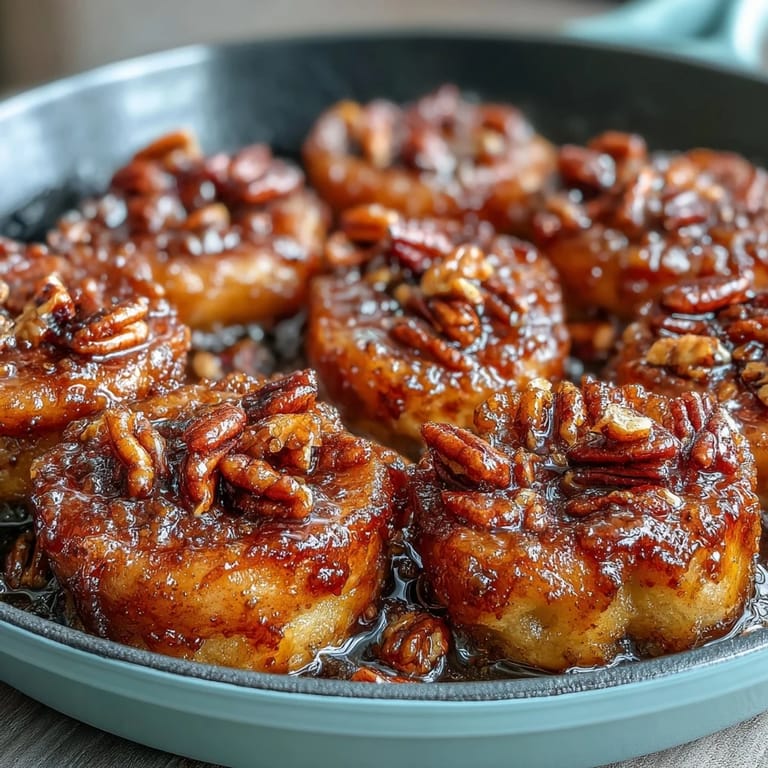
- Stir in the vanilla extract and let it warm through for just a moment, then taste for seasoning—sometimes a tiny pinch more salt brings everything into focus. Sprinkle with toasted pecans if you're using them, and serve while the skillet is still warm so everything feels abundant and inviting.
 Pin It
 There was a moment at my aunt's table when my uncle took his first bite and literally closed his eyes, and my cousin—who usually picks at everything—came back for thirds. That's the thing about this dish: it doesn't try to be complicated or impressive, and somehow that's what makes it completely unforgettable.
Variations and Add-Ins That Work
I've played around with this recipe enough to know where it bends and where it breaks. A pinch of ground ginger adds brightness, while cloves bring a deeper, almost smoky warmth—add either one gradually and taste as you go because spices are bold personalities. For a vegan version, plant-based butter works surprisingly well, though the sauce won't be quite as silky since it lacks milk solids, so stir in an extra teaspoon of cornstarch mixed with water if you want that glossy thickness. Some people swear by a splash of bourbon or a dot of maple syrup stirred in at the end, and honestly, both make a case for themselves.
Make-Ahead and Storage Wisdom
This dish actually tastes better the next day once the flavors have settled and deepened, which is the opposite of stressful when you're cooking for company. Store it in an airtight container in the fridge for up to four days, and when you're ready to serve, reheat it gently in a skillet over medium-low heat with a splash of water if the sauce seems too thick. You can also assemble everything the night before—peel and slice your yams, cover them with water and a squeeze of lemon juice so they don't oxidize, then drain them well before layering into your skillet the next day.
What to Serve Alongside
This dish was born to sit next to roasted chicken or glazed ham, where the sweet syrup complements something savory and rich. It's equally at home next to collard greens or simple roasted vegetables, and I've even served it alongside cornbread as a lighter meal. The key is balance—since these yams are decidedly sweet, you want something on the plate with salt, earthiness, or slight bitterness to anchor the plate and make everything taste more interesting together.
- Pair with roasted or glazed meats for the most traditional Southern spread.
- Add steamed or sautéed greens to the plate for textural contrast and a flavor counterbalance.
- Serve with a sharp vinegar-based slaw or pickled vegetable to cut through the sweetness.
 Pin It
 Every time I make this, I'm reminded that the best food is the kind that makes people feel like they're being looked after. This skillet of candied yams does exactly that.
Recipe FAQs
- → What type of yams are best for this dish?
Large, firm yams peeled and sliced into 1/2-inch rounds work best to absorb the syrup and cook evenly.
- → Can I use sweet potatoes instead of yams?
Yes, sweet potatoes can be substituted and will also caramelize nicely in the brown sugar glaze.
- → How do I prevent the yams from sticking to the skillet?
Using butter and ensuring the skillet is properly heated before adding yams helps keep them from sticking.
- → What spices enhance the flavor of the brown sugar syrup?
Ground cinnamon, nutmeg, and a pinch of salt balance the sweetness and add warm, aromatic notes.
- → Is it possible to make this dish vegan?
Yes, replacing unsalted butter with a plant-based alternative achieves a dairy-free version without sacrificing flavor.