 Pin It
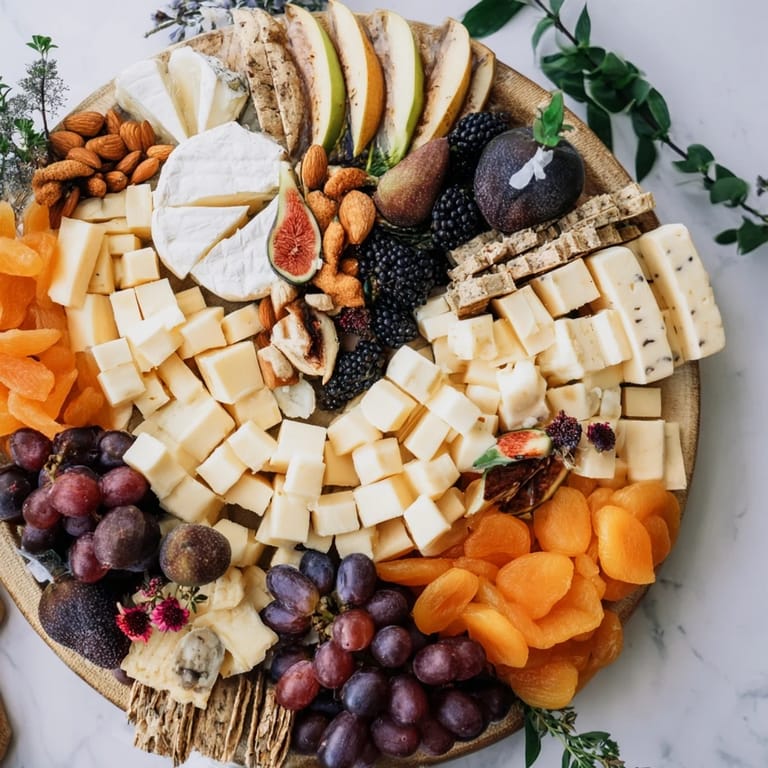
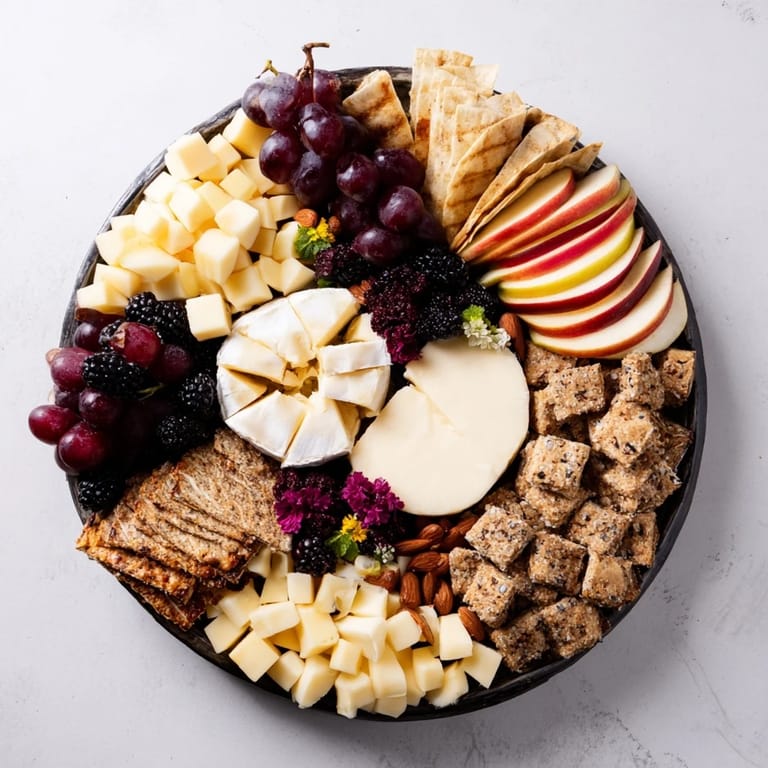
 My friend Sofia walked into my kitchen holding this gorgeous black and white marble tile she'd found at a flea market, and suddenly I was thinking about balance—not just in design, but in how we eat. That afternoon, we built this board together, creating that perfect yin-yang curve with blackberries, and I realized that the best appetizers aren't just about what tastes good; they're about the moment when everyone stops talking for a second to just look at what's in front of them.
I made this for a dinner party in October when everyone was tired of the usual charcuterie trend, and the moment my partner saw it, she said, "Oh, this is different"—in that tone that means you actually tried something. By the end of the night, people were talking more about the balance of flavors than the visual, which felt like a quiet victory.
Ingredients
- Fresh blackberries (150 g): These are your dividing line and also a flavor bridge—tart enough to make the creamy cheeses taste even richer, and they stain your fingers like edible proof you made something beautiful.
- Goat cheese (100 g): Soft, spreadable, almost fluffy—it's the gentle start to the light side, and it picks up everything around it.
- Young Manchego or white cheddar (100 g): Mild and slightly sweet, this cheese lets the fruit shine without competing.
- Aged blue cheese (100 g): Pungent and commanding, it needs no introduction and makes the dark side unforgettable.
- Aged Gouda or sharp cheddar (100 g): Deep, nutty, and complex—it's the counterweight to blue, adding texture and umami without overwhelming.
- Pear slices (1 small pear): Delicate and juicy, they're the light side's answer to sweetness, and they soften the cheese's edge.
- Black plum slices (1 small plum): More assertive than pear, with a darker flavor that plays into the rich cheeses on the opposite side.
- White grapes (50 g) and red or black grapes (50 g): These little flavor bombs add texture and a clean, palate-cleansing moment between bites.
- Raw almonds (30 g) and roasted hazelnuts (30 g): Almonds stay delicate and buttery; hazelnuts get roasted and gain a deeper, almost chocolate-like warmth.
- Rice crackers or light-colored crackers (30 g) and dark rye crisps or seeded crackers (30 g): The base notes of your composition—one subtle, one bold.
- Fresh mint leaves: A last-minute green whisper that brightens everything it touches.
- Edible flowers (optional): These are pure indulgence—they don't change the taste, but they change how people feel eating it.
Tired of Takeout? 🥡
Get 10 meals you can make faster than delivery arrives. Seriously.
One email. No spam. Unsubscribe anytime.
Instructions
- Set your stage:
- Place your round board in front of you like a canvas. This is your moment to breathe and visualize where everything will go.
- Draw the line:
- Arrange the blackberries in a gentle curve from one side of the board to the other—don't stress about perfection. The curve should feel organic, almost like you're creating a real yin-yang symbol.
- Build the light side:
- On one half, arrange goat cheese slices and white cheddar cubes in loose clusters. Scatter pear slices between them, add white grapes, then almonds, and finally tuck in your light crackers. Think about leaving small breathing room between elements.
- Build the dark side:
- Mirror the light side's energy with blue cheese and aged Gouda, then layer in plum slices, dark grapes, roasted hazelnuts, and dark crisps. The textures should feel intentional but relaxed.
- Add the final touches:
- Scatter mint leaves across both sides and add edible flowers if you have them—these elevate the whole thing from "nice" to "memorable."
- Serve with intention:
- Step back, look at what you made, then bring it to the table and watch people pause before diving in.
 Pin It
 What surprised me most was that this board became less about "trying a little of everything" and more about choosing a side—people would playfully commit to light or dark, and then sneak tastes from the other side when no one was looking. It turned eating into a quiet game.
The Philosophy Behind Balance
The yin-yang concept works here because it's not about equal opposites—it's about complementary forces. The light side whispers; the dark side declares. Neither is better; together, they make the tasting experience complete. When someone tastes the soft, almost creamy goat cheese next to the assertive blue, their palate gets a narrative. It's why this board feels more thoughtful than a random pile of cheese.
Seasonal Flexibility
I've made this board three times now, and each season it becomes something different. In summer, I swap the plum for peaches and the hazelnuts for pistachios. In winter, I've added honeycomb to the light side and fig jam to the dark side, which changes everything—suddenly it's richer, more autumnal. The bones of the recipe stay the same, but the personality shifts. That's the beauty of working with seasons instead of against them; your board becomes a time capsule of where you are in the year.
Pairing and Presentation Tips
Serve this with a crisp white wine if you want the light side to sing, or a light-bodied red if you're leaning into the dark side's depths. I've also poured a sparkling wine and watched people relax instantly—something about bubbles makes everything feel more celebratory. The round board matters more than you'd think; it makes the whole thing feel intentional and complete, like an actual meal event rather than a side dish.
- Chill your cheeses slightly before serving so they hold their shape and flavor longer.
- Arrange everything no more than 30 minutes before serving to keep fruits from oxidizing and losing their brightness.
- Leave small gaps between items—overcrowding muddies the visual impact and makes people uncertain where to start.
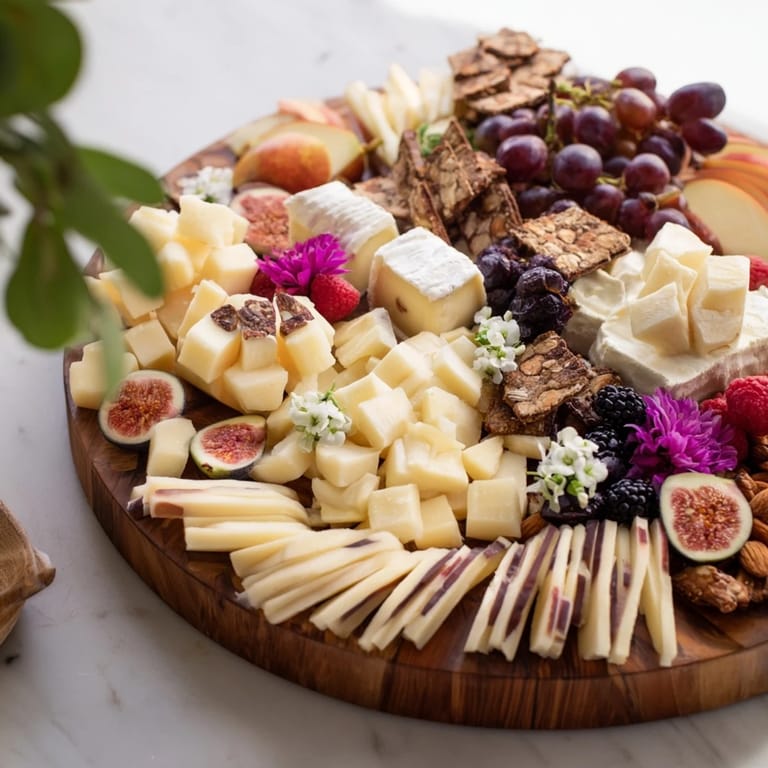 Pin It
 This board isn't just food; it's an invitation to slow down and notice the details. That moment when everyone pauses, looks, and then begins is the real reason to make it.
Recipe FAQs
- → What cheeses work best for the yin-yang board?
Using a mix of mild and aged cheeses like goat cheese, Manchego, blue cheese, and Gouda creates contrasting flavors that complement the board's balance.
- → Can I substitute the fruits on the board?
Yes, seasonal or preferred fruits such as apples, figs, or berries can replace the pears, plums, or grapes to maintain freshness and visual appeal.
- → How should the blackberries be arranged?
Arrange fresh blackberries in a curved dividing line across the board to create a yin-yang visual separation between light and dark elements.
- → What garnishes enhance the board's presentation?
Fresh mint leaves and edible flowers add color contrast and a refreshing aroma, elevating the overall experience.
- → Are there pairing suggestions for this board?
This board pairs wonderfully with a crisp white wine or a light-bodied red to complement its balanced flavors.