 Pin It
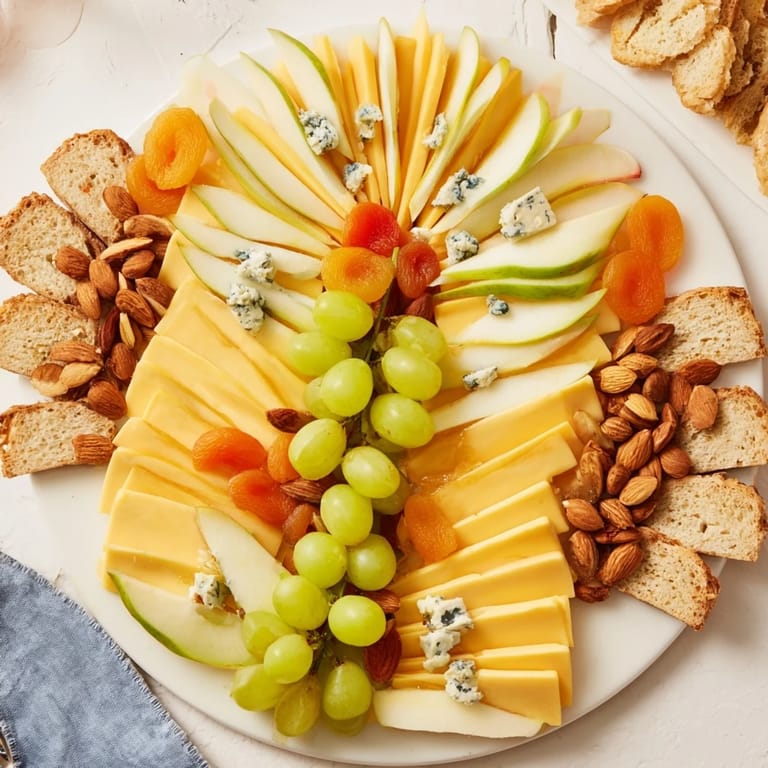
 I stumbled upon this platter concept during a winter gallery opening, studying a catalogue of 1920s architecture while cradling a glass of Champagne. The geometric precision of those Art Deco skyscrapers struck me as oddly familiar, and it wasn't until I got home that I realized how beautifully cheese could echo those sweeping arches and pointed spires. That night, I abandoned my usual casual board approach and spent an hour arranging thin slices into symmetrical fans. The result felt less like entertaining and more like building something temporary and edible—a tiny architectural moment on a platter.
I remember my friend Elena walking into my kitchen mid-arrangement and stopping mid-sentence—she just stood there, watching me layer the Gruyère. She said it looked like I was composing something rather than making a snack, which felt like the highest compliment. By the time guests arrived, that platter had become the first thing anyone mentioned, even before tasting anything. It was proof that food doesn't always need to be complex to feel remarkable.
Ingredients
- Aged cheddar, sliced thin (150 g): The backbone of your arches—its sharpness keeps everything from tasting too soft and creamy.
- Gruyère, sliced thin (150 g): Nutty and sophisticated, it adds depth and catches light beautifully when fanned.
- Manchego, sliced thin (150 g): Brings a subtle sweetness and pale golden color that offsets the darker cheddar.
- Creamy brie, sliced into wedges (120 g): Forms the architectural base of each arch—place it last so it doesn't get lost under other cheeses.
- Blue cheese, cut into small triangles (100 g): Acts as the spire, adding visual drama and salty intensity at the peak.
- Seedless green and red grapes (1 small bunch each): Fill negative space with their roundness and natural shine.
- Pear and apple, thinly sliced (1 of each): Add freshness and a touch of tartness to balance the richness.
- Roasted almonds (40 g): Scattered for texture and subtle earthiness that anchors the sweetness of fruit.
- Dried apricots, halved (40 g): Chewy pockets of concentrated fruit flavor that complement aged cheeses.
- Honeycomb or good quality honey (40 g): Placed strategically near the brie, it becomes an invitation to dip and drizzle.
- Baguette slices and assorted crackers: Your vehicle for the cheese—choose a mix of textures so guests have options.
Tired of Takeout? 🥡
Get 10 meals you can make faster than delivery arrives. Seriously.
One email. No spam. Unsubscribe anytime.
Instructions
- Start with your foundation:
- Place your large platter in front of you and take a breath—you're about to build three invisible arches across it. Imagine vertical lines dividing the platter into thirds, and that's where your arches will live. This mental grid removes the guesswork.
- Layer the first arch:
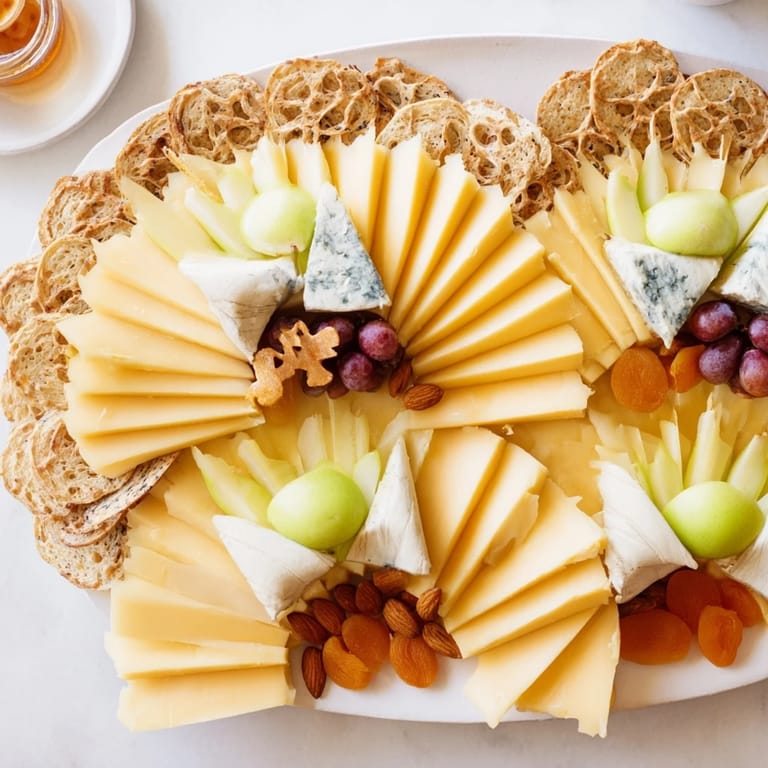
- Begin with the cheddar slices, overlapping them at a gentle angle so they fan upward like a hand opening. Each slice should slightly overlap the previous one, creating a sense of movement. Work from left to right, letting the repetition hypnotize you into a rhythm.
- Repeat with Gruyère and Manchego:
- Once your first arch is complete, create the second with Gruyère directly beside or above it, then the third with Manchego. The color variation from golden-orange to pale cream creates visual interest while your eye follows the symmetry.
- Anchor with brie:
- Now place your brie wedges at the base of each arch like solid building foundations. Their creaminess provides contrast to the firm, sliced cheeses above.
- Crown with blue cheese:
- Position your blue cheese triangles at the peak of each arch—this is your skyscraper spire moment. The deep color and triangular shape give your design that Art Deco punch.
- Fill the spaces:
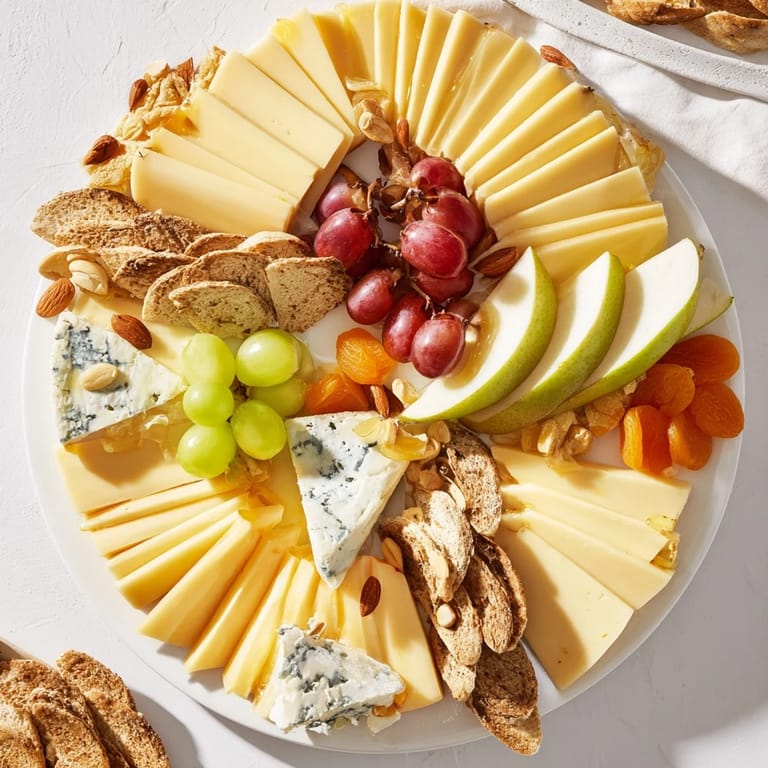
- Scatter grape bunches, apple slices, and pear slices in the negative space between your arches. They should feel intentionally placed, not like an afterthought, so take your time arranging them in small clusters.
- Garnish with intention:
- Distribute roasted almonds and dried apricots throughout, creating little pockets of texture. Finally, drizzle or spoon the honey near the brie wedges—it's functional and beautiful.
- Frame it:
- Arrange baguette slices and crackers along the edges and in any remaining corners. They're not just vehicles; they're part of the design.
- Serve and step back:
- Take a photo if you want—you've earned it. Serve immediately or cover gently and chill for up to an hour.
 Pin It
 I'll never forget the moment when someone at a dinner party actually said they felt like they were standing in an Art Deco lobby while eating cheese. That's when I realized this platter transcends the category of appetizer—it becomes conversation and inspiration on a board.
Choosing Your Cheeses
The magic here is contrast, so don't stress about using exactly these cheeses if you don't have them. I've tested this with Comté instead of Manchego and it was stunning—slightly more caramel, slightly less herbaceous, but the architecture remained intact. The key is picking three firm, sliceable cheeses that range from golden to pale, and one creamy base that's pale or white. Think of it as a flavor and color spectrum rather than a rigid recipe. Your cheese counter person can absolutely help you build this combination if you describe the color contrast you're after.
Timing and Prep
This is a last-minute platter in the best way—25 minutes of active hands-on time means you can prep it while guests are arriving, which somehow feels more impressive than having done it hours ahead. The only thing worth prepping earlier is slicing your cheeses and fruit, which you can do an hour or two ahead and keep covered separately. Right before plating, toss your fruit in a tiny bit of lemon juice to keep it bright. I learned this the hard way after watching beautiful apple slices turn brown at a party—never again.
Making It Your Own
Art Deco doesn't demand perfection; it demands confidence. If your arches aren't mathematically precise, they're still striking. I once made this with a slight asymmetry because I was short on cheddar, and it actually felt more modern and interesting than the perfectly symmetrical version. You can swap in nuts you love, use different dried fruits, or even add a few dark olives for drama. The principle remains: build something with intention, and it will look intentional.
- For a vegan version, use quality plant-based cheeses and swap honey for agave or maple syrup.
- If you're making this for a wine pairing, serve it with a crisp Champagne or dry Riesling to honor that 1920s glamour.
- Remember that this is just as beautiful at casual drinks as it is at a formal dinner—elegance is about intention, not just ingredients.
 Pin It
 This platter taught me that food doesn't need to be complicated to feel significant. Sometimes the most memorable meals are just about caring enough to arrange something beautifully and sharing it with people you like.
Recipe FAQs
- → How do I create the tiered cheese fans?
Slice the cheddar, Gruyère, and Manchego thinly. Slightly overlap each slice in a fan shape to build symmetrical arches on the serving platter.
- → What is the best way to slice cheeses for presentation?
Use a wire cheese slicer for even, clean slices that hold their shape well when arranged in fans.
- → Can I substitute cheeses for different flavors?
Yes, try swapping with Comté, Emmental, or aged Gouda to customize flavor profiles while maintaining visual appeal.
- → How should I pair this cheese arrangement with drinks?
A crisp Champagne or a dry Riesling complements the variety of textures and flavors beautifully, evoking the 1920s vibe.
- → What are good accompaniments to include on the platter?
Fresh grapes, sliced pears and apples add color and freshness; roasted almonds and dried apricots bring texture and subtle sweetness.
- → Can this be made vegan-friendly?
Use plant-based cheeses and omit honey to accommodate vegan dietary preferences while maintaining the platter’s charm.