 Pin It
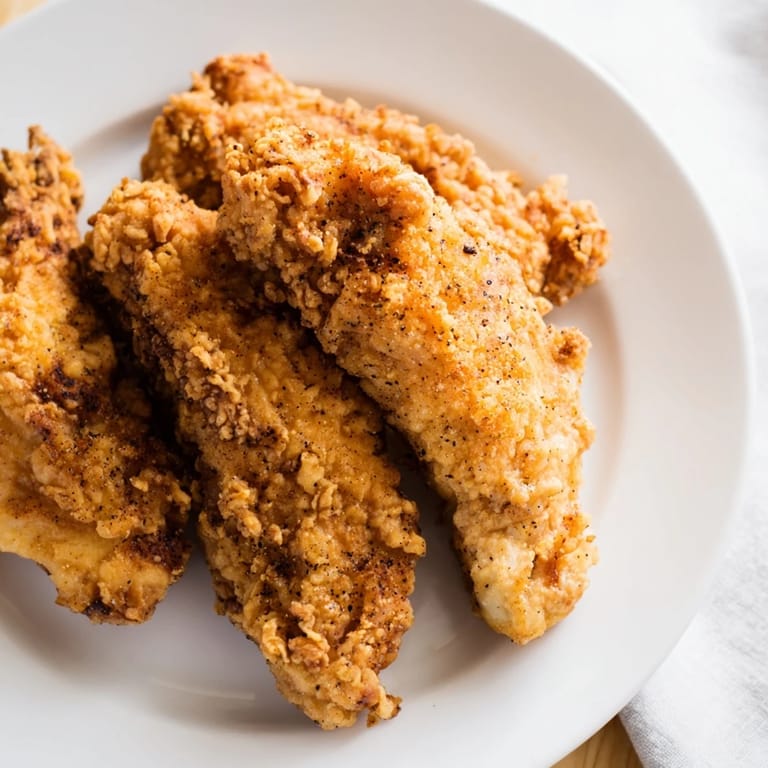
 There's something about the sizzle of chicken hitting hot oil that brings back a specific Tuesday afternoon in my kitchen. My roommate had texted asking if I could make something crispy, something satisfying, and all I had were chicken breasts and a carton of buttermilk that was about to expire. I decided to marinate them on a whim, and two hours later, when those tenders turned golden in the skillet, I realized I'd stumbled onto something that would become a regular request. It's comfort food that tastes intentional, even when it starts as improvisation.
I made this for a small dinner party last spring, and I remember my friend Sarah taking a bite and closing her eyes like she was tasting something from her childhood. She asked for the recipe before she'd even finished chewing, which is the kind of compliment that matters more than any review ever could. Since then, it's been my go-to when I want to feed people something that feels both casual and special.
Ingredients
- Chicken tenders or breast strips: 1.5 lbs of boneless, skinless chicken cut into even strips ensures they cook through at the same rate, preventing dry edges and raw centers.
- Buttermilk: This tangy base tenderizes the chicken from the inside and creates a marinade that clings to every fiber, making the meat stay moist under the coating.
- Salt and black pepper: 1 teaspoon salt and 1/2 teaspoon pepper per marinade layer builds flavor gradually without making any single bite overwhelming.
- Garlic and onion powder: 1/2 teaspoon each in both the marinade and coating means the savory notes deepen without fresh pieces burning during frying.
- Paprika: 1/2 teaspoon in the marinade and 1 teaspoon in the coating gives warmth and color, plus a subtle earthiness that makes everything taste more complex.
- Cayenne pepper: 1/4 teaspoon optional in the marinade adds a whisper of heat that doesn't overpower unless you decide it should.
- All-purpose flour: 1.5 cups mixed with the seasonings plus baking powder creates that shattering crust that shatters when you bite into it.
- Baking powder: 1/2 teaspoon in the flour coating is the secret most people miss; it creates tiny bubbles that make the breading extraordinarily crispy.
- Vegetable oil: You'll need enough for 2 inches in your skillet, and it should reach 350°F for that perfect golden color without burning the exterior before the inside cooks.
Tired of Takeout? 🥡
Get 10 meals you can make faster than delivery arrives. Seriously.
One email. No spam. Unsubscribe anytime.
Instructions
- Build your marinade base:
- In a large bowl, whisk together the buttermilk with salt, black pepper, garlic powder, onion powder, paprika, and cayenne pepper. You should smell all those spices blooming together when you whisk, and the mixture should taste strongly seasoned enough that you'd hesitate to drink it straight.
- Marinate the chicken:
- Add your chicken tenders to the buttermilk mixture, making sure each piece gets coated on all sides. Cover the bowl and slide it into the refrigerator for at least 2 hours, though overnight is even better because the marinade has time to really work its way into the meat.
- Mix your coating:
- While the chicken rests, combine flour, salt, black pepper, paprika, garlic powder, onion powder, and baking powder in a shallow dish. This is where the actual crispiness comes from, so don't skip whisking it all together so the leavening is evenly distributed.
- Prepare for frying:
- Remove chicken from the marinade one piece at a time, letting excess buttermilk drip back into the bowl for a few seconds. Press each tender into the seasoned flour, coating both sides and all the edges, then set it on a clean plate.
- Heat your oil:
- Pour 2 inches of vegetable oil into your deep skillet or Dutch oven and place it over medium-high heat. Use a thermometer to watch it reach 350°F, which takes about 5 to 7 minutes and is worth waiting for because the temperature matters more than you'd think.
- Fry in batches:
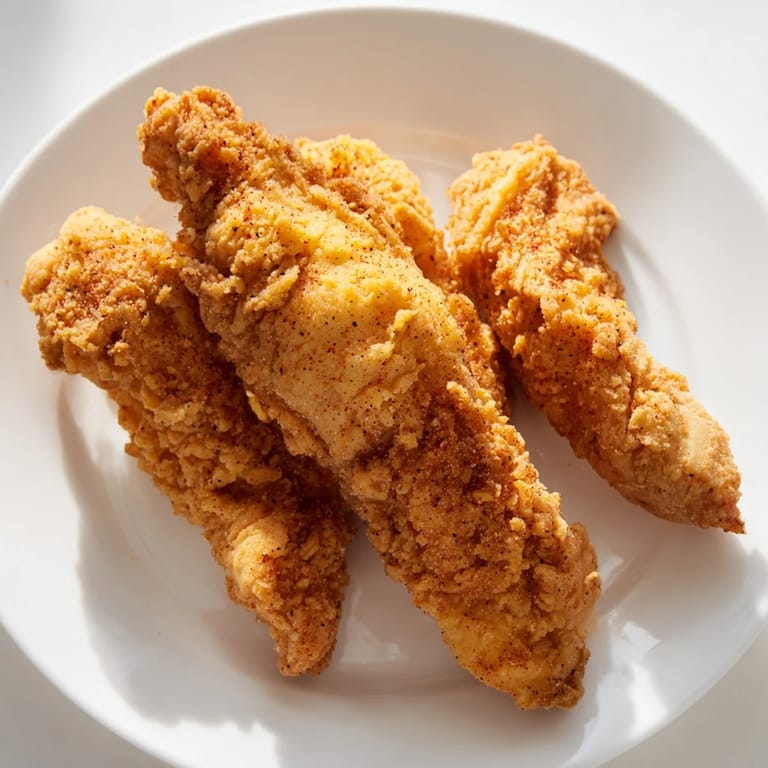
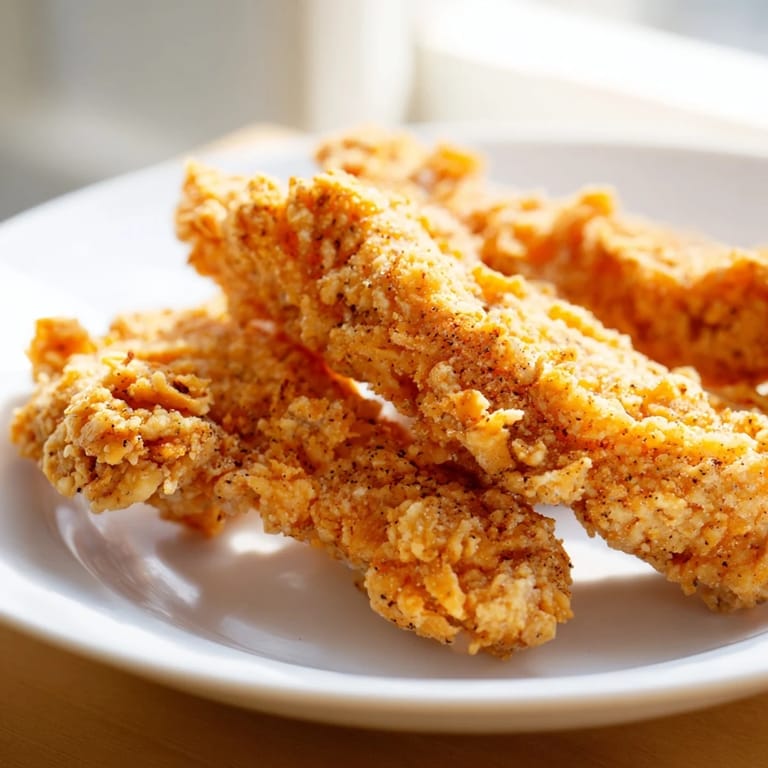
- Once the oil is ready, carefully place 3 or 4 chicken tenders into the hot oil, working in batches so you don't crowd the pan and drop the temperature. Fry each side for about 3 to 4 minutes until the coating turns deep golden brown and the internal temperature reads 165°F when you check with a thermometer.
- Drain and rest:
- Transfer the finished tenders to a wire rack or paper towels, which keeps the underside from getting soggy while cooling. Serve them hot with whatever sauce calls to you.
 Pin It
 My brother brought his family over one Saturday and his youngest, who usually picks at everything fried, ate three of these tenders and asked for more. His mom said she'd never seen him do that with chicken, and I felt genuinely proud of something that took me barely any active time to make. That's when I understood this recipe wasn't just about the cooking, but about the small moments of connection that happen around good food.
The Marinade Mystery
The magic of buttermilk isn't just about taste, though the tang is definitely part of it. Buttermilk is acidic, which breaks down the chicken's muscle fibers and allows them to hold onto moisture during the high-heat cooking process. When I skip the buttermilk and try a regular milk marinade, the result is noticeably drier no matter what I do. The longer the chicken sits in that buttermilk, the more tender it becomes, which is why overnight marinating is worth planning ahead for.
Getting the Crust Right
I used to think fried chicken crust was all about technique, but it's actually about understanding what each ingredient does. The flour provides structure, the baking powder creates lift and crispiness, and the seasonings make sure every bite tastes intentional. One afternoon I forgot to sift the flour and baking powder together properly, and the coating was dense and heavy, nothing like the light shattering texture I was after.
Sauce Pairings and Serving
These tenders pair beautifully with unexpected sauces, not just the obvious ranch or honey mustard. I've served them with sriracha mayo, spicy brown mustard mixed with a touch of maple syrup, and even a tangy barbecue sauce that cuts through the richness. The crispy exterior and juicy interior can stand up to bold flavors without getting overwhelmed, which is part of why this recipe works so well for both weeknight dinners and entertaining.
- If you're serving these to a crowd, keep them warm in a low oven rather than covering them, so condensation doesn't soften the crust.
- Fry all your batches first, then reheat gently if needed, because trying to keep some warm while finishing others rarely works well in practice.
- Fresh lemon wedges on the side add brightness and cut the richness in a way that feels natural and delicious.
 Pin It
 This recipe has taught me that sometimes the best dishes are the simple ones executed with intention and good ingredients. Every time I make these tenders, someone tells me they taste like home, which is the highest compliment a meal could possibly get.
Recipe FAQs
- → Why soak chicken in buttermilk?
Buttermilk tenderizes the chicken by breaking down proteins, resulting in juicier, more flavorful tenders after frying.
- → Can I double coat the chicken for extra crunch?
Yes, dip the chicken back into the buttermilk after the first flour coating, then coat again with seasoned flour for a crispier texture.
- → What oil is best for frying the chicken?
Use a neutral oil with a high smoke point, such as vegetable or canola oil, heated to 350°F (175°C) for optimal frying.
- → How do I ensure chicken is cooked through?
Fry until the internal temperature reaches 165°F (74°C) and the coating is golden brown, usually 3–4 minutes per side.
- → Can I add spice to the marinade?
Yes, increasing cayenne pepper or adding hot sauce to the buttermilk imparts a spicy kick to the chicken.