 Pin It
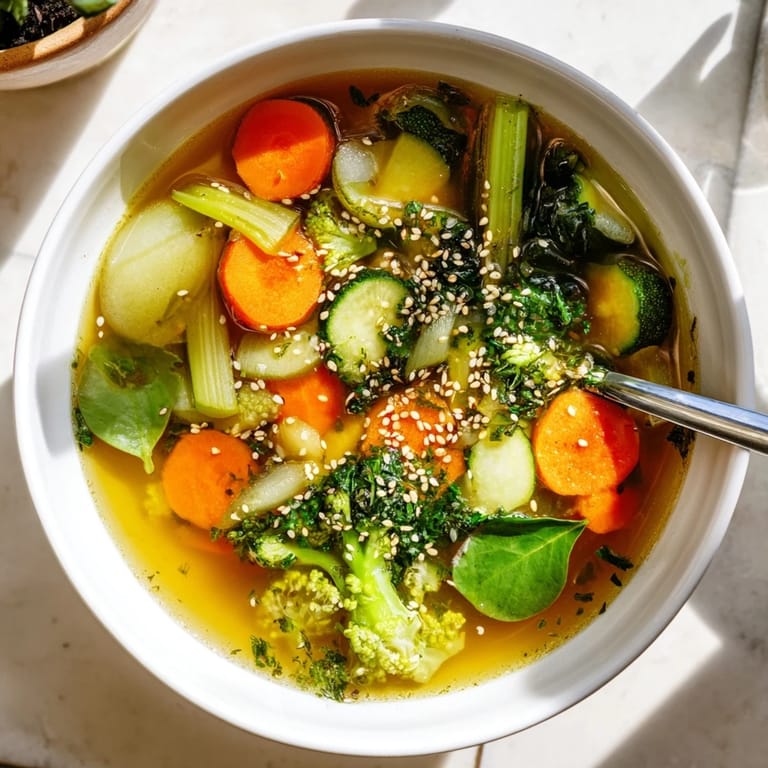
 The steam curling up from my stockpot on a gray Sunday morning carried the earthy warmth of ginger and turmeric, filling the entire kitchen with golden comfort. I had started this broth the night before, letting it bubble away while I read on the couch, something about the slow process feeling like an act of self-care I desperately needed. When I finally ladled that first bowl, dotted with bright green spinach and fresh parsley, I knew this wasnt just soup. It was medicine you actually wanted to eat, nourishing from the inside out.
My friend Sarah came over for lunch last month when I was fighting off that seasonal scratchy throat everyone seems to get. She watched me drop vegetables into the simmering golden broth, mentioning her grandmother always made bone broth when anyone in the family felt run down. We sat at my kitchen table, wrapped in sweaters, slurping quietly while steam fogged up the windows. She left with a jar of broth and texted me that evening that she actually felt better. Sometimes the oldest remedies really are the best ones.
Ingredients
- 1.5 liters beef or chicken bone broth: Homemade gives you the most collagen and nutrients, but a high-quality store-bought version works perfectly fine when time is tight
- 1 medium yellow onion, quartered: The foundation of that deep savory base that makes broth taste like it simmered for days
- 4 cloves garlic, smashed: Dont mince it, smashing releases more flavor and lets the garlic infuse the broth as it simmers
- 1 thumb-sized piece fresh ginger, sliced: Adds gentle warmth and aids digestion, plus it balances the earthiness of bone broth beautifully
- 1 thumb-sized piece fresh turmeric, sliced: Fresh turmeric has a brighter, more complex flavor than ground, but either works for that gorgeous color and inflammation-fighting power
- 2 tbsp apple cider vinegar: This helps extract more collagen and minerals from the bones during simmering
- 1 tsp whole black peppercorns: Essential for activating turmerics curcumin so your body can actually absorb those anti-inflammatory benefits
- 1 tsp sea salt: Adjust to your taste, but dont skip it, salt is what makes all those vegetable flavors sing
- 2 medium carrots, sliced: Sweet and tender, they add natural sweetness and beautiful orange color to the bowl
- 2 celery stalks, sliced: Provides that classic aromatic backbone and satisfying texture in every spoonful
- 1 cup broccoli florets: Hold up well during simmering and add nutrient-density plus pops of vibrant green
- 1 cup baby spinach: Add this at the very end so it wilts just slightly but keeps its bright fresh color
- 1 zucchini, sliced: Cooks quickly and adds a tender, buttery texture that contrasts nicely with the broth
- 2 tbsp chopped fresh parsley or cilantro: The finishing touch that adds brightness and makes the bowl look beautiful
- 1 tbsp sesame seeds: Optional, but they add a lovely nutty crunch and protein boost
- Lemon wedges: A squeeze at the end brightens everything and helps your body absorb all those nutrients
Tired of Takeout? 🥡
Get 10 meals you can make faster than delivery arrives. Seriously.
One email. No spam. Unsubscribe anytime.
Instructions
- Build your broth base:
- Combine your bone broth, quartered onion, smashed garlic, sliced ginger and turmeric, apple cider vinegar, peppercorns, and salt in a large stockpot. Bring everything to a gentle boil over medium-high heat, watching as the liquid turns a beautiful golden yellow.
- Let it simmer slowly:
- Reduce the heat to low, cover your pot with a lid, and let it gently bubble away for about 1.5 hours. Your kitchen will start smelling incredible, and all those flavors will meld together while the nutrients become more bioavailable.
- Strain out the aromatics:
- Pour the broth through a fine mesh sieve, catching all those spent onions, garlic, and ginger slices. Return the clear, golden broth back to your pot, discarding the solids that have given everything they had to give.
- Add the hearty vegetables:
- Add your carrots, celery, and broccoli to the strained broth. Let them simmer for about 10 minutes until theyre just tender but still have a little bite, you want them to hold their shape in the bowl.
- Finish with delicate greens:
- Drop in the zucchini and spinach, simmering for just 2-3 more minutes. The spinach should be wilted but still vibrant green, and the zucchini tender but not falling apart.
- Taste and adjust:
- Taste your broth and add more salt if needed. Sometimes it needs that final adjustment to make all the flavors pop and taste perfectly balanced.
- Layer your bowls:
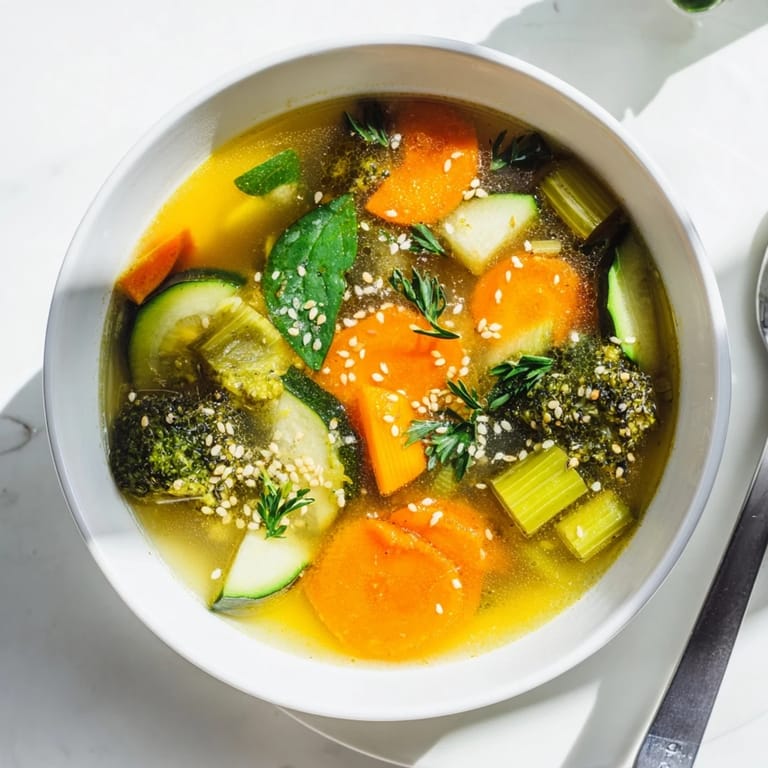
- Divide the vegetables and broth among four bowls, making sure each gets a good mix of everything. Top with fresh herbs, sesame seeds if youre using them, and serve with lemon wedges on the side.
 Pin It
 Last winter I made a double batch when my sister was recovering from surgery, packing it into mason jars to deliver to her apartment. She texted me a few days later saying it was the only thing that sounded good and that she genuinely felt like it was helping her heal. Now whenever someone I love needs a little extra care, this is what I make. Food as medicine, but also food as love, which might be the most healing thing of all.
Making It Your Own
Ive found that this broth bowl template works with whatever vegetables you have on hand or whatever season it is. In summer, swap in green beans and bell peppers. In fall, try butternut squash and kale. The method stays the same, but the flavors change completely. You could also add shredded cooked chicken, tofu cubes, or even a soft-boiled egg if you want more protein. The broth is forgiving and welcomes whatever you bring to it.
The Broth Matters
While store-bought bone broth works perfectly fine, making your own changes everything about this recipe. I save bones from roast chickens and beef chuck roasts in my freezer until I have enough for a batch. The homemade version has more body, more collagen, and a richness you can taste. But if youre not there yet, choose a high-quality store-bought brand with bones listed first in the ingredients. Your broth is the foundation, build it on something solid.
Storage And Meal Prep
This recipe was practically made for meal prep. I make a big batch on Sunday and portion it into glass containers for the week ahead. The broth actually improves after a day or two in the refrigerator as the flavors continue to meld. Just reheat gently on the stove, adding a splash of water if it has reduced too much. You can also freeze it for up to three months, though the vegetables will be softer after thawing. Either way, having this in your fridge or freezer feels like having a secret weapon.
- Let the broth cool completely before refrigerating to prevent condensation
- Store fresh herbs separately and add them right before serving
- Freeze in individual portions for quick lunches on busy days
 Pin It
 Every bowl feels like a warm embrace, nourishing and gentle and exactly what your body needs. Theres something profoundly satisfying about eating food that loves you back.
Recipe FAQs
- → What makes this broth bowl collagen-boosting?
The slow-simmered bone broth naturally contains collagen from the bones and connective tissues. During the 1.5-hour simmer, collagen breaks down into gelatin, making it easily absorbable for your body to support skin elasticity and joint health.
- → Can I make this vegetarian?
Absolutely. Substitute the bone broth with high-quality mushroom broth or vegetable broth. Mushroom broth particularly provides a rich, savory depth and contains beneficial compounds that support immune function.
- → How long will this broth bowl keep in the refrigerator?
The broth bowl will stay fresh for 4-5 days when stored in an airtight container in the refrigerator. The flavors often deepen after a day or two. Reheat gently on the stovetop to preserve the nutrients and texture of the vegetables.
- → What vegetables work best in this broth bowl?
Root vegetables like carrots, daikon radish, and parsnips hold up well during simmering. Leafy greens such as spinach, kale, or bok choy add nutrition and should be added in the last few minutes. You can also include mushrooms, bamboo shoots, or seasonal vegetables based on preference.
- → Why is apple cider vinegar added to the broth?
Apple cider vinegar helps extract minerals from the vegetables and bone broth more effectively. The acidity breaks down plant cell walls and helps release calcium, magnesium, and other nutrients into the liquid for better absorption.
- → Can I freeze this broth bowl?
Yes, freeze in portion-sized containers for up to 3 months. Leave out the leafy greens when freezing and add fresh ones when reheating, as frozen greens can become mushy. The broth base freezes beautifully and maintains its nutritional value.